
At Sugar River Animal Hospital in Grantham, NH, we understand the unique health needs of brachycephalic, or flat-faced, dog breeds like French Bulldogs, Pugs, Boston Terriers, and English Bulldogs. While these breeds are known for their adorable faces and personalities, their shortened facial structure can also lead to breathing difficulties and other health concerns. Regular wellness and annual exams help identify airway issues early and allow us to recommend the best care to help your dog breathe easier and live more comfortably.
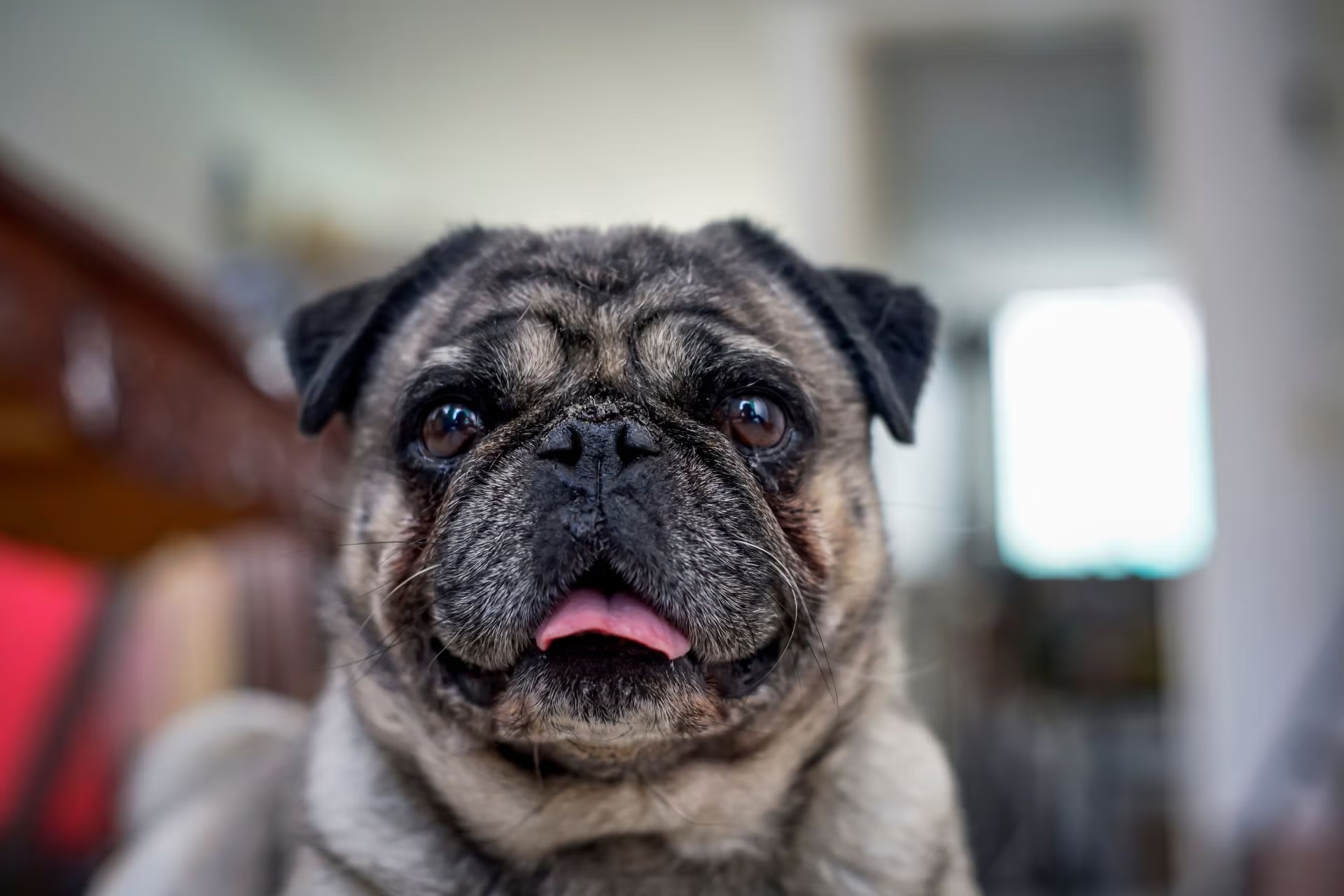
What are brachycephalic dog breeds and what makes them unique?
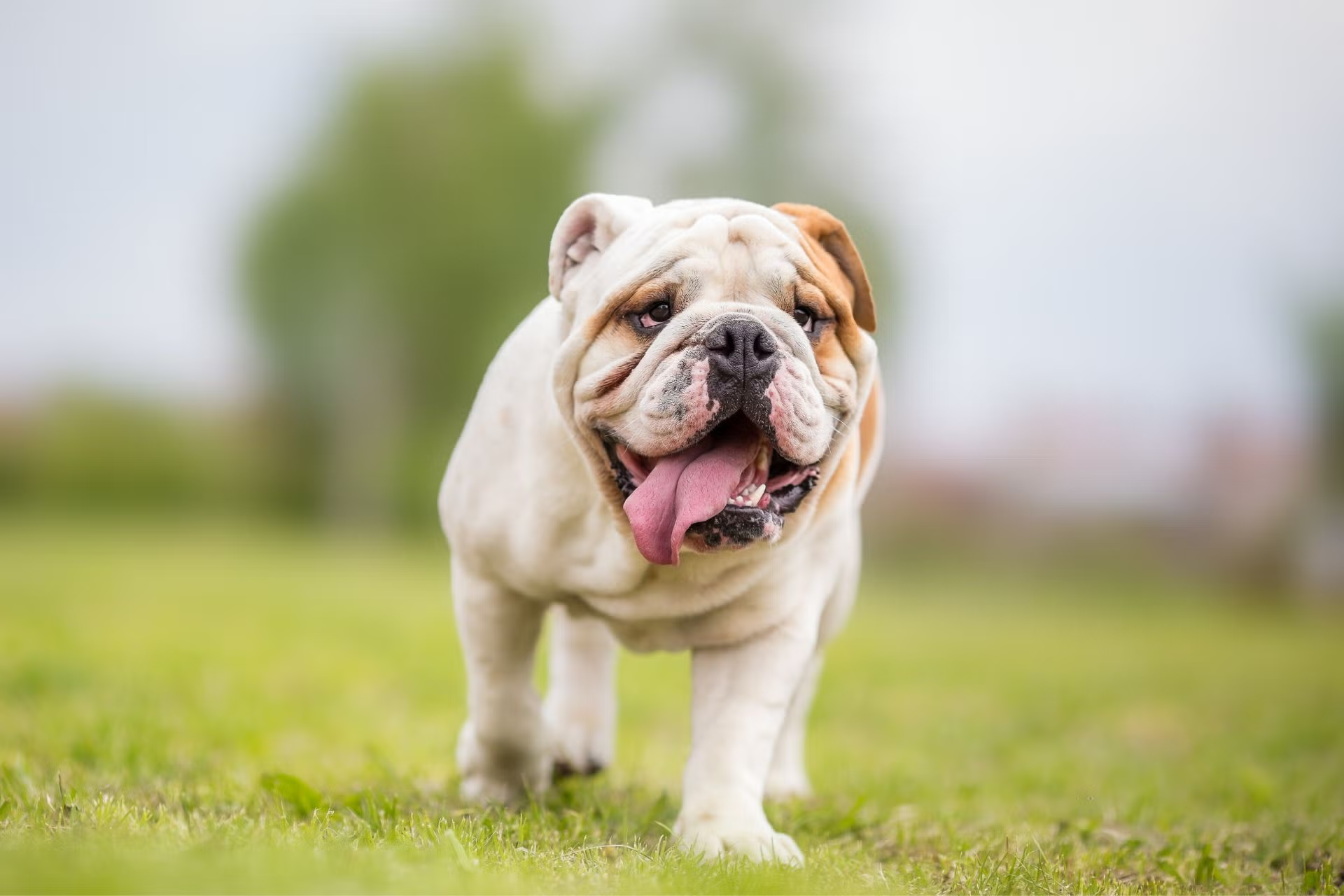
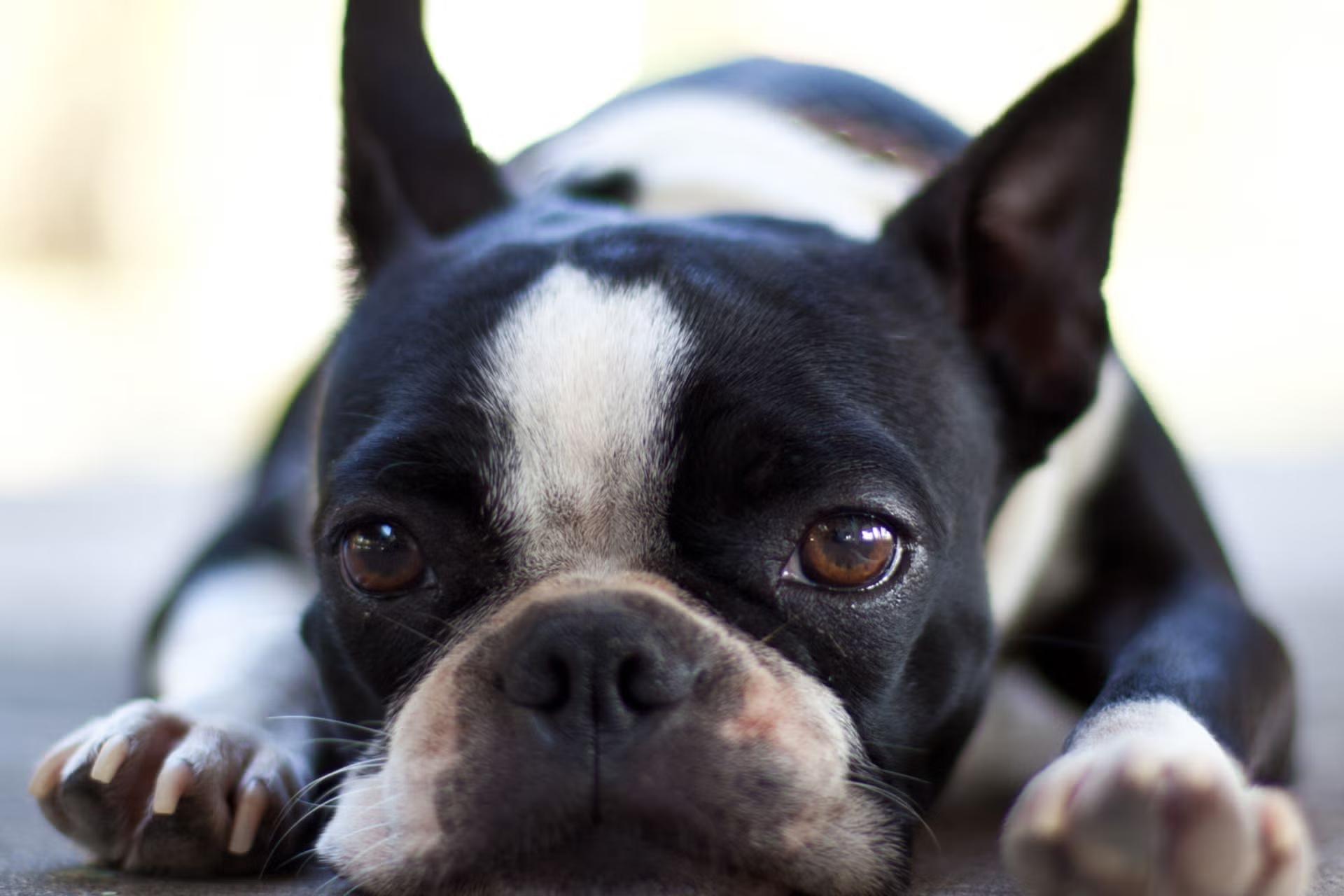
Brachycephalic dog breeds are dogs with short, flattened faces and noses, such as French Bulldogs, Pugs, Boston Terriers, and English Bulldogs. These breeds are known for their characteristic snorting sounds and compact facial structure. Certain cat breeds, including Exotic Shorthairs, Persians and Himalayans, are also considered brachycephalic.
What are the common health issues in brachycephalic dog breeds?
Brachycephalic dogs can experience several health concerns due to their shortened facial structure. Their teeth may become crowded because there is less jaw space, which can increase the risk of dental disease. Many also have narrowed nostrils, elongated soft palates, and enlarged tissue in the throat that can restrict airflow. These structural differences commonly lead to breathing difficulties, overheating, and increased anesthesia risks.
What is brachycephalic obstructive airway syndrome?
Brachycephalic obstructive airway syndrome, also called BOAS, occurs when a dog’s airway is obstructed due to narrowed nostrils, an elongated soft palate, or enlarged tissue in the throat. These abnormalities reduce airflow and make breathing more difficult for affected dogs.
How can I tell if my brachycephalic dog is having breathing difficulties?
Many brachycephalic dogs have some level of breathing difficulty due to their anatomy. Signs of more serious respiratory distress can include excessive panting, lethargy, heavy breathing, difficulty recovering after activity, or a tongue that appears purple or bluish in color. These symptoms should be taken seriously.
What are the best ways to manage breathing issues in brachycephalic dogs?
One of the most effective ways to help manage breathing issues is through BOAS surgery, which may include widening the nostrils, shortening the soft palate, and removing obstructive tissue in the throat. Dogs that are not surgical candidates should be kept cool, have constant access to water, and avoid overheating and stressful situations whenever possible.
Are there special exercise recommendations for brachycephalic dogs?
Exercise should be adjusted based on the weather and your dog’s breathing ability. Avoid strenuous activity during hot or humid conditions, and monitor your dog closely for signs of heavy panting or respiratory distress. If your dog appears to be struggling to breathe, activity should stop immediately.
What precautions should I take when walking my brachycephalic dog in hot weather?
Walks should be kept short during warm weather, especially during the hottest parts of the day. Early morning or evening walks are often safer. Always bring water and monitor your dog’s breathing and tongue color for signs of overheating or respiratory distress.
Is anesthesia safe for brachycephalic dogs?
Anesthesia always carries some risk, but brachycephalic dogs may require additional precautions because of their airway anatomy. These dogs can have a higher risk of regurgitation and breathing complications during recovery. Veterinary teams often take extra measures to support safe anesthesia and monitor recovery closely.
What surgical options are available for severe breathing problems in brachycephalic dogs?
BOAS surgery is the primary surgical treatment for severe breathing problems in brachycephalic dogs. The procedure may involve widening the nostrils, shortening the elongated soft palate, and removing obstructive tissue in the throat to improve airflow.
What should I know about brachycephalic puppies and early care?
Brachycephalic puppies should be monitored closely for signs of airway restriction early in life. During puppy wellness and annual exams, veterinarians evaluate nostril size and overall breathing ability. In some cases, early BOAS surgery may be recommended to help reduce future breathing complications.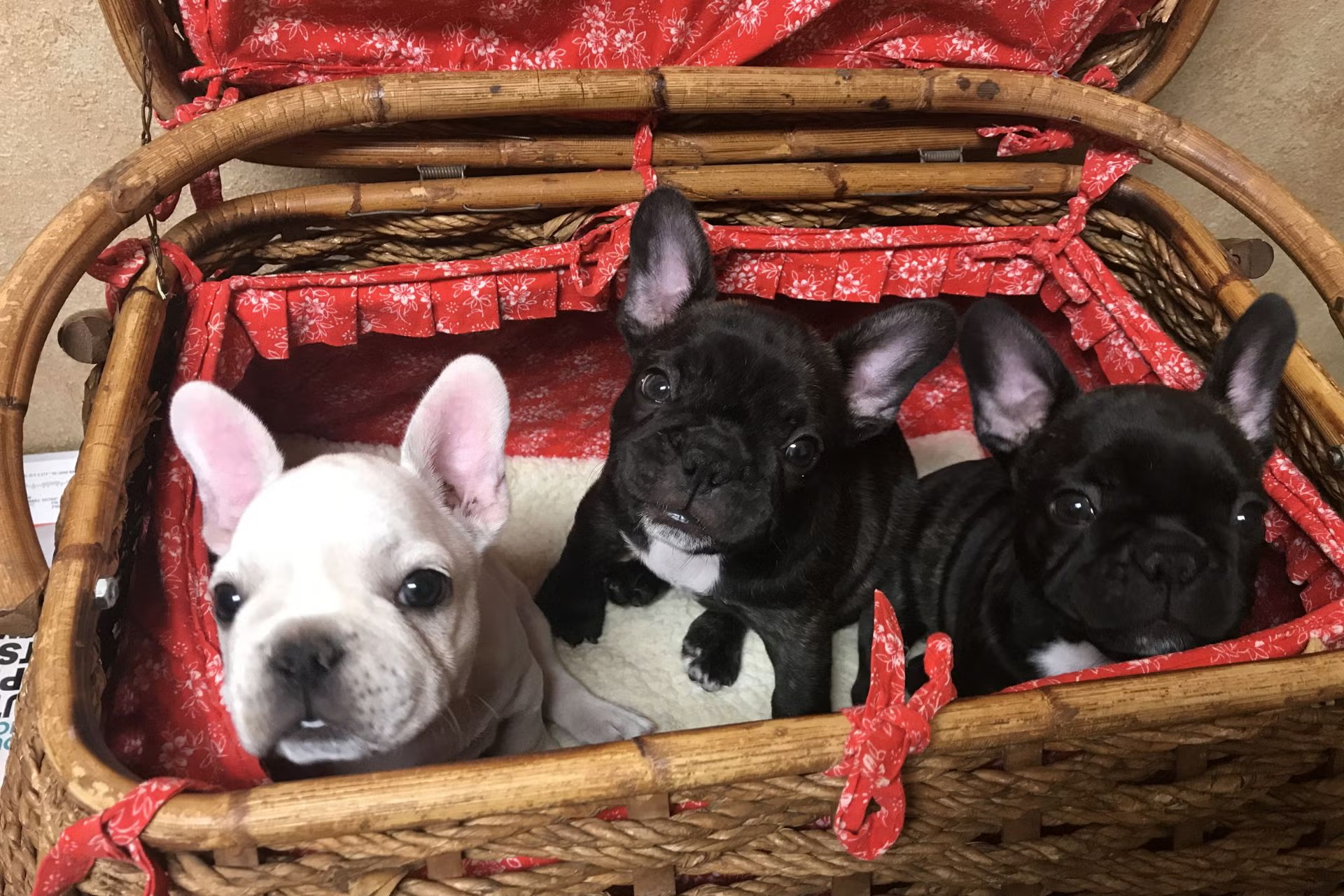
When should BOAS surgery be performed?
BOAS surgery is often recommended before a dog reaches one year of age, although it can be performed later in life if needed. Early intervention may help reduce long-term strain on the airway and heart caused by chronic breathing difficulties.
Should I be careful when bathing or swimming with my brachycephalic dog?
Yes, brachycephalic dogs can be more prone to inhaling water because of their shortened nose and facial structure. Care should be taken during baths and swimming activities to help prevent aspiration and breathing complications.
What are the risks of traveling or flying with brachycephalic dogs?
Stress during travel can worsen breathing difficulties in brachycephalic dogs. Increased panting can lead to swelling in the airway and further restrict airflow. Before traveling, it is important to discuss your plans with your veterinarian to determine whether additional precautions are needed.
How can I improve the quality of life for my brachycephalic dog?
Keeping your dog cool, minimizing stress, monitoring for breathing difficulties, and staying current with wellness and annual exams can all help improve quality of life. Many brachycephalic dogs also benefit from regular dental care because crowded teeth can increase the risk of dental disease. In some cases, BOAS surgery may significantly improve breathing and comfort.
FAQs
Can brachycephalic dogs live normal lives?
Many brachycephalic dogs can live happy lives with proper care and monitoring. Staying on top of wellness care, managing heat exposure, maintaining a healthy weight, and addressing breathing concerns early can all help improve quality of life.
What are signs my flat-faced dog needs veterinary care?
Signs that your brachycephalic dog should be evaluated include excessive panting, noisy breathing, exercise intolerance, gagging, blue or purple gums or tongue, overheating, or collapsing. These symptoms can indicate airway distress and should not be ignored.
Does being overweight make breathing problems worse in brachycephalic dogs?
Yes, excess weight can place additional strain on your dog’s airway and make breathing more difficult. Maintaining a healthy weight is an important part of managing breathing issues in brachycephalic breeds.
Should brachycephalic dogs wear a harness or collar?
Many veterinarians recommend using a harness instead of a neck collar for brachycephalic dogs. Collars can restrict the airflow, especially when attached to a lead. Harnesses can help reduce pressure on the airway and may make breathing more comfortable and safer during walks.
If you have questions about your brachycephalic dog’s breathing, airway health, or whether BOAS surgery may be beneficial, the team at Sugar River Animal Hospital in Grantham, NH is here to help. We are committed to helping flat-faced breeds stay safe, comfortable, and healthy throughout every stage of life.
If you’re ready to schedule an exam or would like to learn more about our veterinary services, we’d love to hear from you. Call (603) 287-1181 or email [email protected]. We look forward to caring for your pet.