
At Sugar River Animal Hospital in Grantham, NH, keeping your dog healthy and happy is our top priority. Regular wellness and annual exams provide a comprehensive checkup, preventive care, and early detection of potential health concerns. From puppies to senior dogs, these exams help ensure your pet receives the care they need to thrive throughout every stage of life.
What is a dog wellness exam and why is it important?
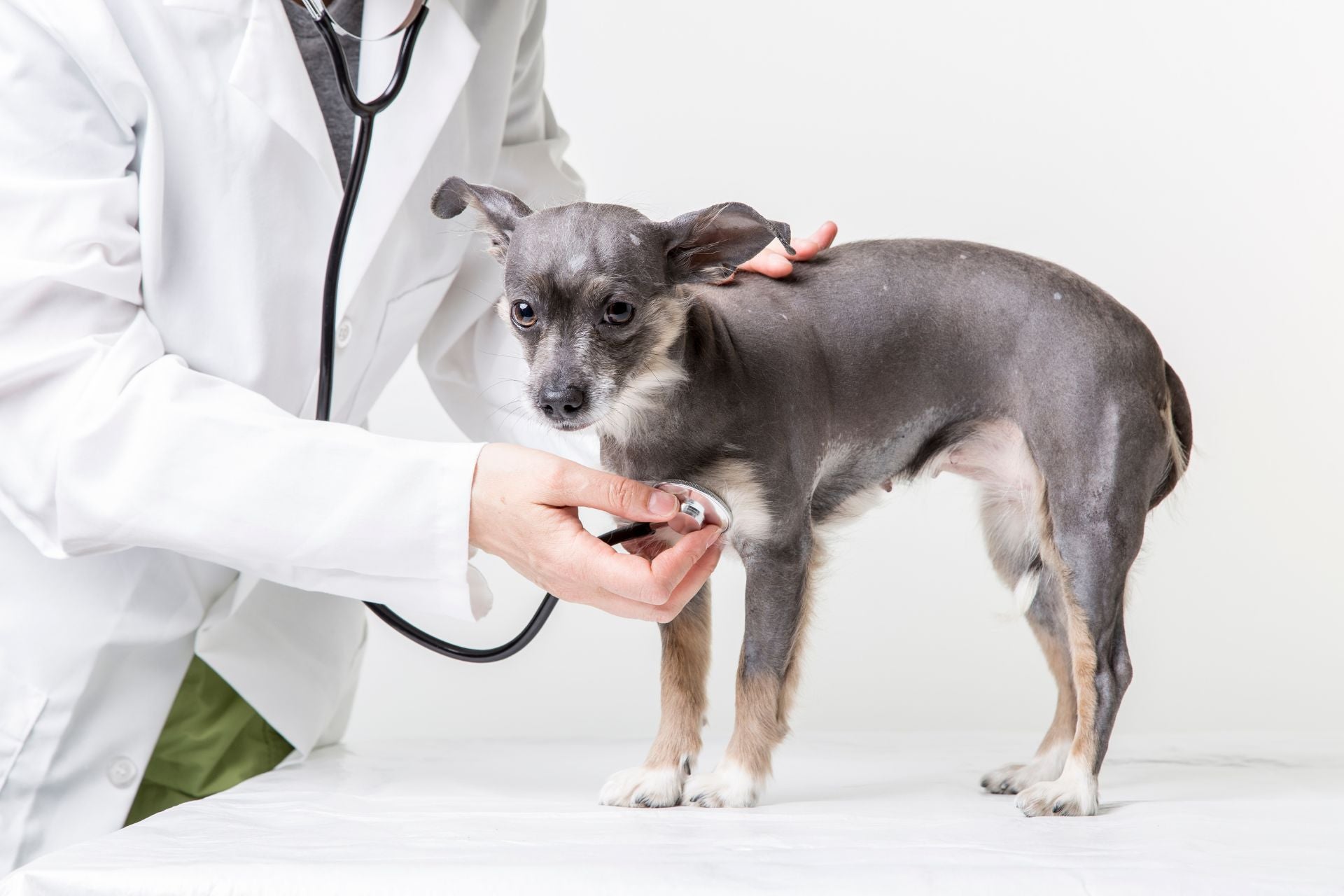
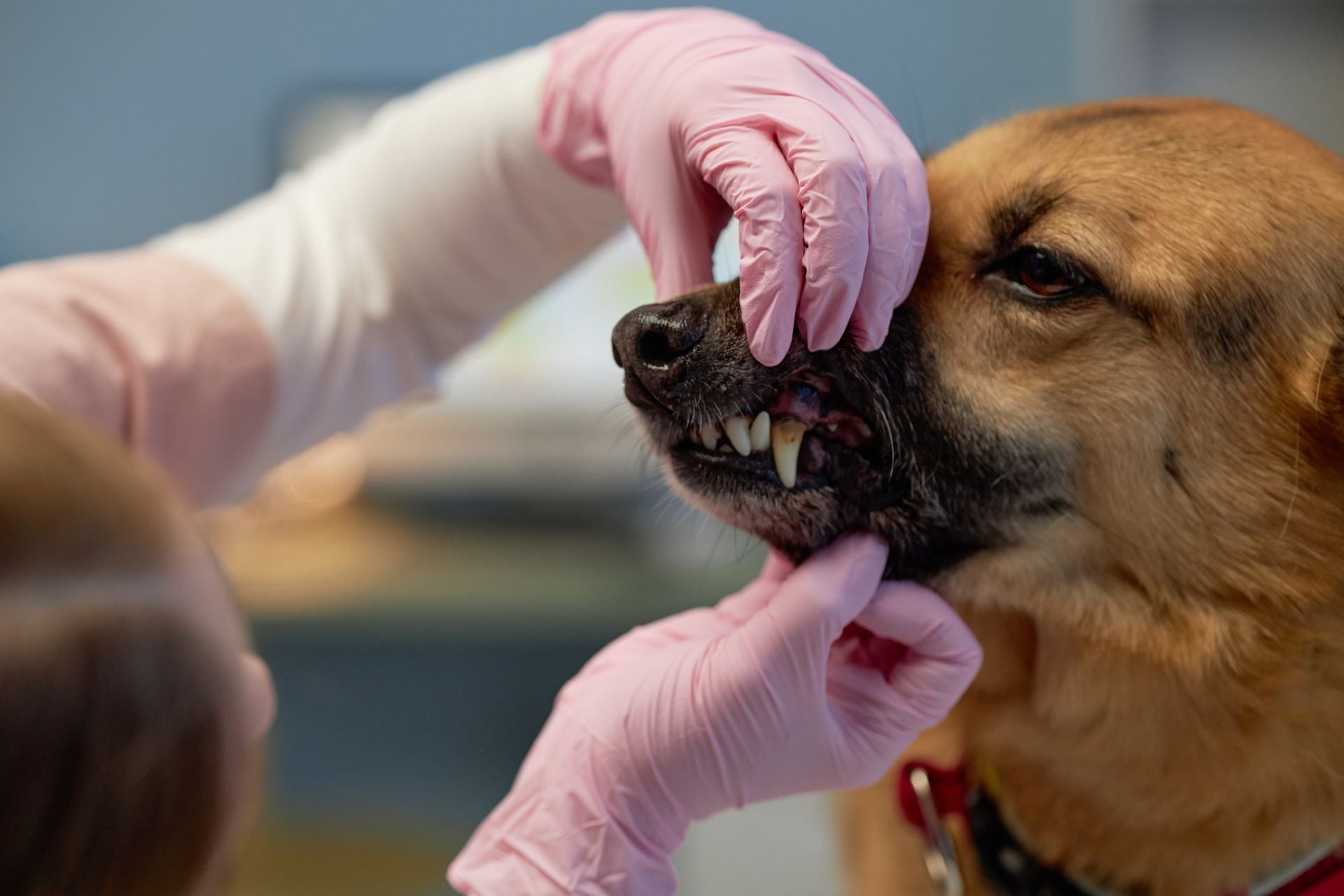
A dog wellness exam is basically an annual exam, similar to what you would have with your own doctor each year. It allows us to do a full checkup on your dog. We examine the teeth and oral health, look for any signs of tumors, check the eyes and ears, and listen to the heart and lungs for any abnormalities. We also palpate the abdomen to assess organ size and check for anything unusual. Depending on your dog’s age, we may also evaluate the legs and back for orthopedic issues.
How often should my dog have a wellness exam?
Your dog should have an annual wellness exam once a year. This allows us to assess your dog’s overall health, answer any questions you may have, and keep vaccinations up to date, as many are required annually.
What does a dog wellness exam consist of?
In addition to the physical exam, we often perform annual heartworm and tick testing, which screens for heartworm disease and several tick-borne illnesses. We also review your dog’s vaccination schedule. Rabies and distemper vaccines are typically given every three years after the initial series, while others, like Lyme disease and leptospirosis, are often given annually based on risk. Lifestyle vaccines may also be recommended for dogs that are boarded, groomed, or attend daycare. We also discuss flea, tick, and heartworm prevention options and may recommend testing for intestinal parasites.
What happens if something abnormal is found during a wellness exam?
If we find something abnormal during your dog’s wellness exam, we will discuss it with you and recommend next steps. For example, if dental disease is noted, we will provide a treatment plan. If a mass is found, we typically measure and document it and may recommend a fine needle aspirate to evaluate the cells and determine whether further treatment or removal is needed.
How do I prepare my dog for a wellness exam?
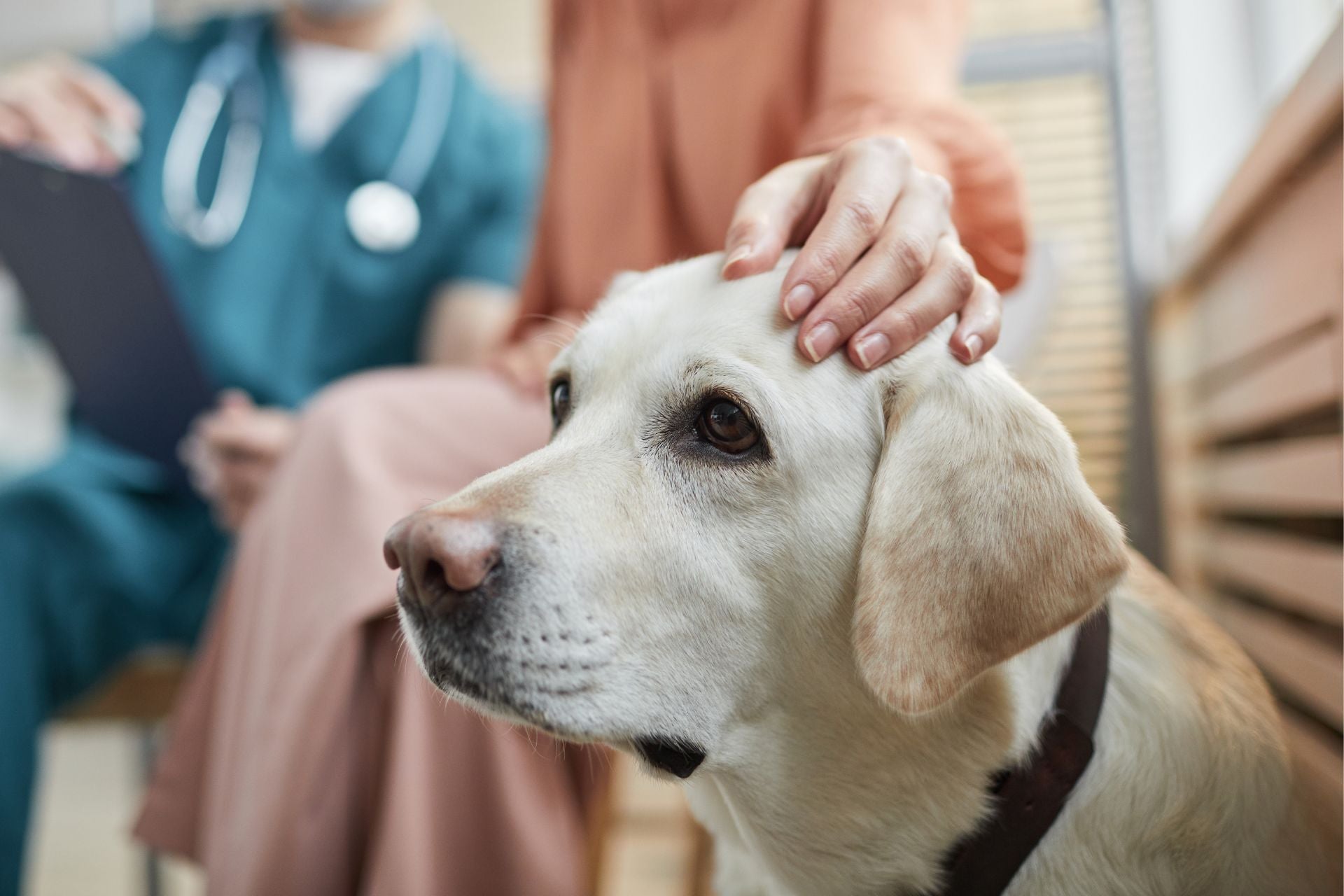
Every dog is different. Some dogs enjoy coming to the veterinary hospital, while others may feel anxious. If your dog is stressed, we may recommend medications to help make the visit more comfortable. It’s important for you to stay calm, as dogs often pick up on their owner’s anxiety. We may also recommend “happy visits,” where your dog comes in for treats and positive interactions to help build a better experience over time.
Will my dog need blood work or lab testing during a wellness exam?
Yes, most dogs will need some level of testing. Annual heartworm and tick testing is recommended and requires only a small blood sample. As your dog ages, we may also recommend wellness blood work to evaluate organ function, including the liver, kidneys, pancreas, thyroid, and blood glucose levels, along with red and white blood cells and platelets. A urine sample may also be included. These tests help us detect issues earlier, often before your dog shows symptoms.
What common health issues can wellness exams detect?
Wellness exams commonly help detect dental disease, skin masses, weight concerns such as obesity or being underweight, and arthritis in older dogs. We may also identify ear infections or notice signs of cognitive changes in senior dogs. The physical exam, along with discussions about your dog’s behavior and habits, helps us catch these issues early.
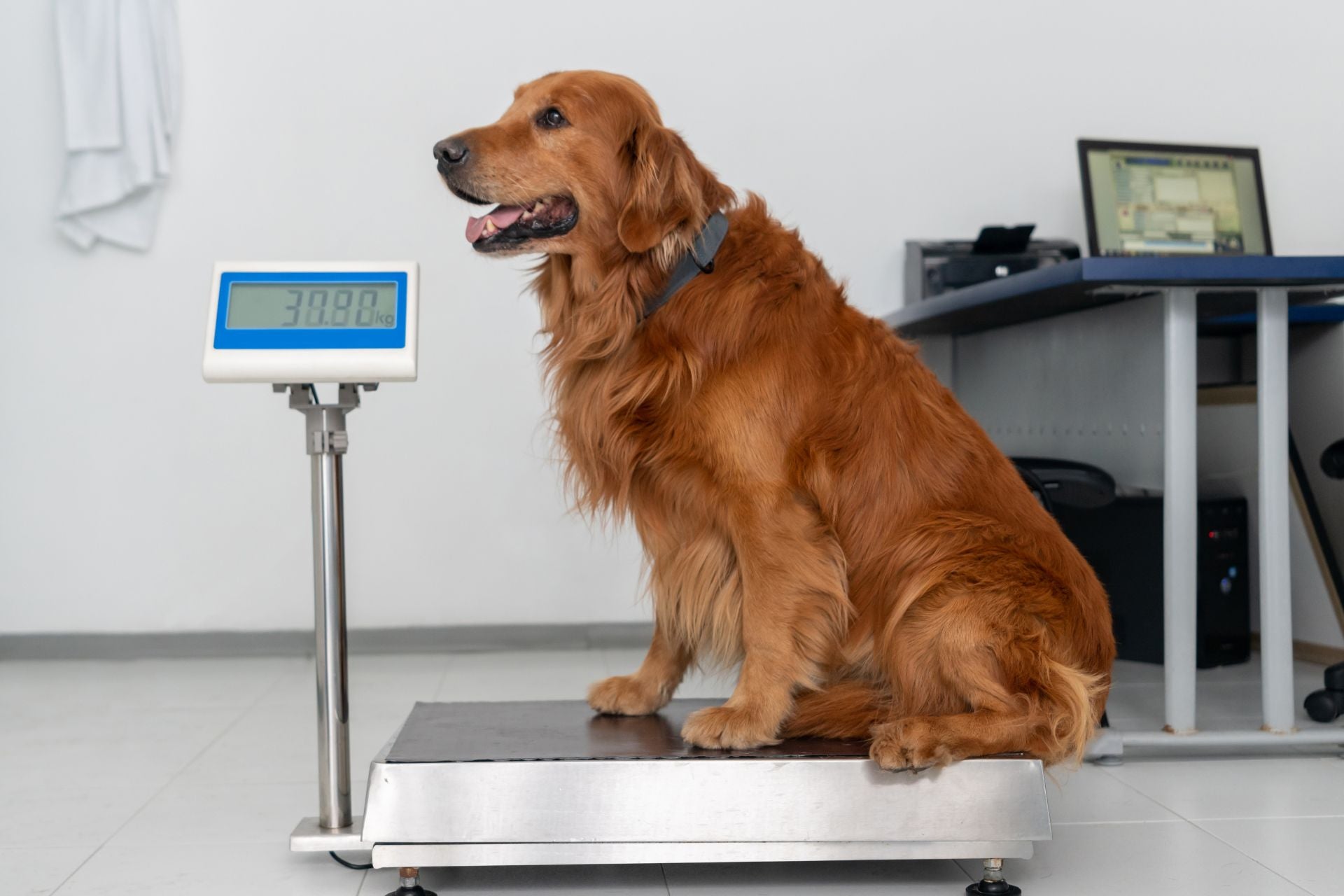
How can a wellness exam help manage my dog’s weight?
At each visit, your dog’s weight is recorded and a body condition score is assessed. If your dog is overweight or underweight, we will discuss possible causes and develop a plan. This often includes reviewing everything your dog eats, including treats and table food, and calculating calories to make recommendations for safe weight loss or gain.
What should I bring to my dog’s wellness exam?
It’s helpful to know what food you are feeding your dog, how much you are giving, and what treats or supplements they receive. Be prepared to share any medications your dog is taking, including over-the-counter products. Bringing a fecal sample is also recommended so we can check for intestinal parasites.
How can I keep my dog calm and comfortable during the exam?
Staying calm yourself can make a big difference, as dogs often respond to your emotions. Some dogs benefit from medications to reduce anxiety before their visit. In certain cases, dogs may actually be more relaxed when examined away from their owner. If your dog tends to be anxious, we can work with you to find the best approach to make visits more comfortable.
Can a wellness exam detect early signs of serious disease?
Yes, wellness exams can detect early signs of serious disease. During routine exams, we may find oral masses, tumors, enlarged lymph nodes, or abnormalities in the abdomen. These findings can occur even when pets come in for routine care, which is why regular exams are so important.
What questions should I ask my veterinarian during a wellness exam?
You should feel comfortable asking any questions related to your dog’s health, including concerns about mobility, behavior, or overall well-being. Wellness exams are meant for general health discussions, but more complex or ongoing medical concerns may require a separate visit for a more in-depth evaluation.
What follow-up care might be needed after a wellness exam?
Follow-up care depends on what is found during the exam. If dental disease is identified, a dental cleaning may be recommended. If testing reveals issues such as heartworm disease or intestinal parasites, we will discuss treatment options. Any abnormalities found on blood work will also be reviewed with you, along with next steps and recommendations.
What is different about senior dog wellness exams?
Senior dog wellness exams often involve more discussion about mobility and cognitive changes. Owners may notice signs like pacing, confusion, or changes in behavior. We also talk about difficulty getting up, jumping, or navigating stairs. These concerns are more common in older dogs and are an important part of their ongoing care.
If you’re ready to schedule an exam or would like to learn more about our veterinary services, we’d love to hear from you. Call (603) 287-1181 or email [email protected]. We look forward to caring for your pet.