
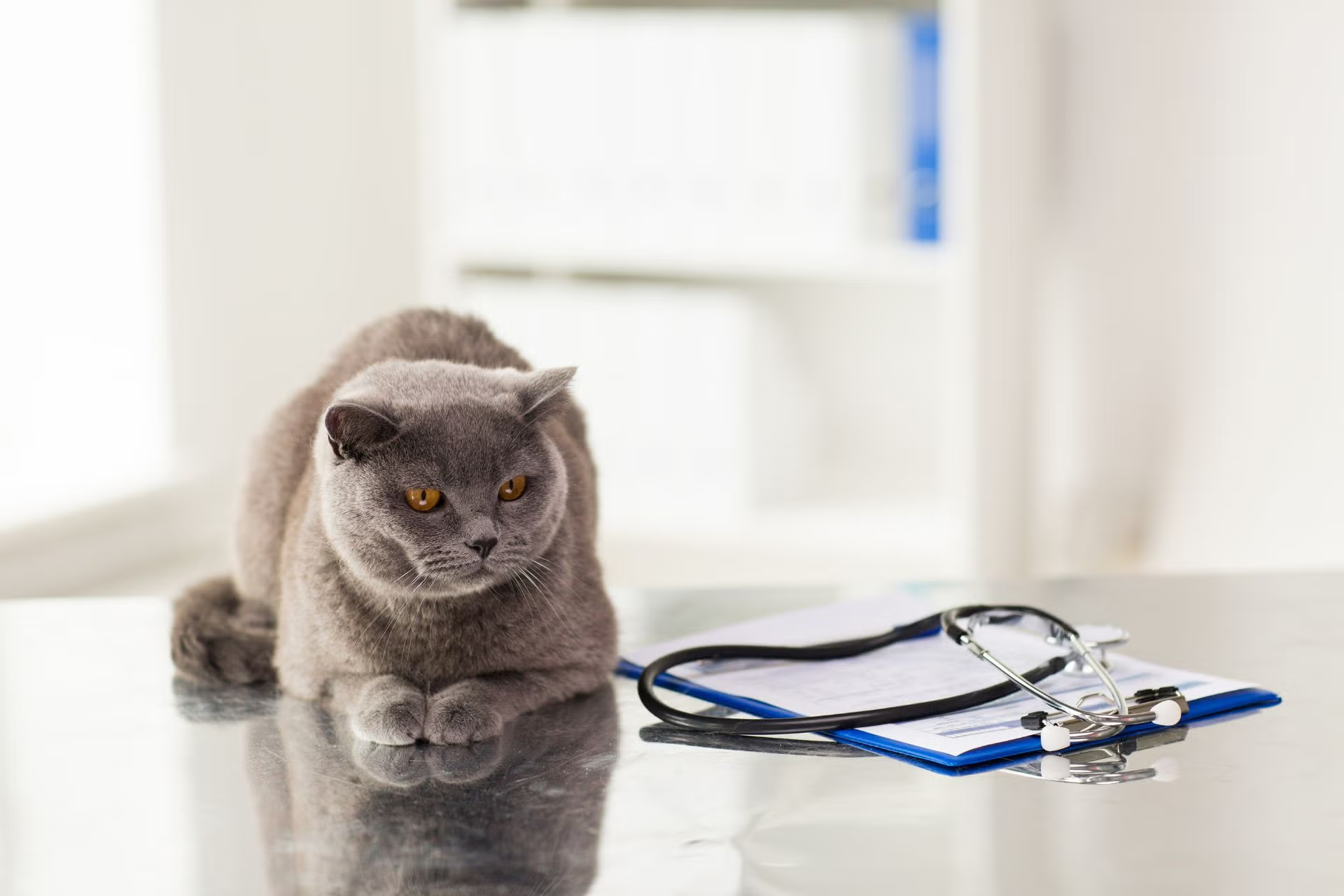
Even if your cat seems perfectly healthy, routine wellness exams are a key part of lifelong care. These visits help catch early signs of illness, track health changes over time, and give your veterinarian the chance to guide your cat’s care proactively. At Sugar River Animal Hospital in Grantham, NH, we encourage regular checkups to keep your cat feeling their best.
What is included in a cat’s wellness exam?
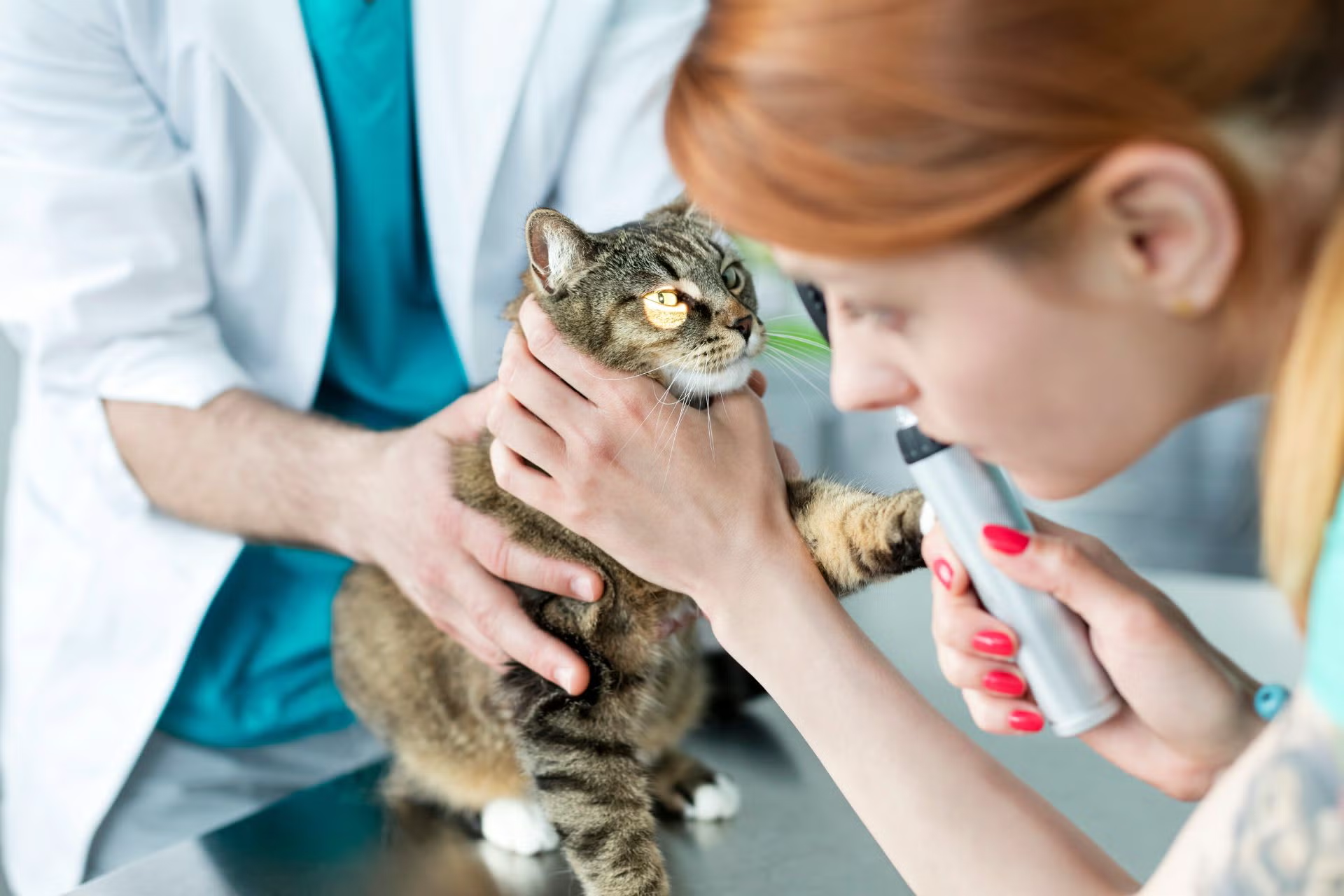
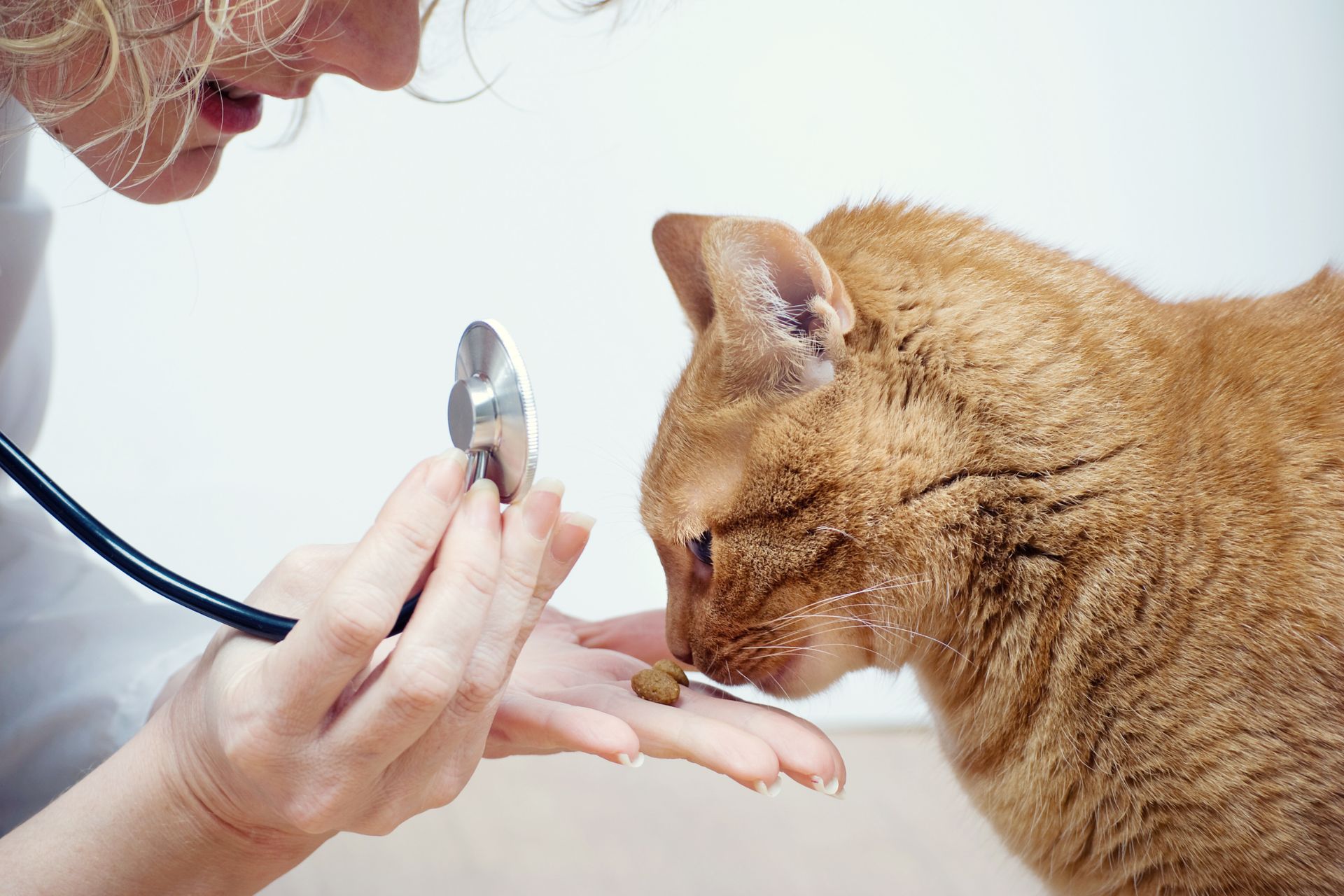
During a cat’s wellness exam, we perform a full physical exam. This includes checking your cat’s mouth and teeth, looking for oral tumors, and evaluating the eyes and ears. We listen to the heart and lungs to check for abnormalities, and we feel the abdomen to assess organ health and check for any masses. We also evaluate the lymph nodes, as changes there can sometimes be an early sign of illness. During the visit, we discuss any questions or concerns you have and provide appropriate vaccinations.
How often should my cat have a wellness exam?
Cats should have a wellness exam every year. Cats are very good at hiding illness, and they often don’t show signs until they are quite sick. Annual exams help us identify problems earlier and guide you on what to expect as your cat ages.
What are the benefits of regular wellness exams for my cat?
Regular wellness exams allow us to address concerns earlier instead of waiting until your cat is very sick. We can sometimes detect issues during the exam before symptoms are obvious and discuss age-related changes and potential future concerns as your cat gets older.
How do I prepare my cat for a wellness exam?
The most challenging part for many owners is getting their cat into the carrier. We recommend keeping the carrier out in your home at all times so your cat becomes familiar with it. You can feed your cat in the carrier, offer treats, and even add comfortable bedding so it becomes a safe space. Avoid bringing the carrier out only at the last minute, as cats may associate it with stress. In some cases, we can provide medications to help keep your cat calmer for travel and the visit.
Are there specific tests or screenings during a wellness exam?
For kittens, especially if they have not been tested before, we often recommend testing for feline leukemia and feline immunodeficiency virus, as these can be passed from the mother and may not show signs for years. As your cat ages, we may recommend annual wellness blood work, which evaluates red and white blood cells, platelets, and major organ function including the kidneys, liver, pancreas, blood glucose, and thyroid levels. A urine sample may also be included. We also recommend annual fecal testing, as intestinal parasites are microscopic and not visible to the naked eye.
What is the difference between a wellness exam and a sick visit?
A wellness exam is a routine checkup to make sure your cat is healthy and to provide preventive care, including vaccinations. A sick visit is focused on a specific concern, such as vomiting, diarrhea, not eating, or changes in urination. Sick visits are typically more time-intensive and often involve diagnostic testing and treatment.
How can I track my cat’s health between wellness exams?
The best way to monitor your cat’s health is by observing their behavior. Watch for changes such as increased hiding, differences in drinking or urination habits, decreased or increased appetite, and signs like diarrhea or frequent vomiting. Vomiting more than occasional hairballs, especially if it happens regularly, can indicate a problem.
What should I do if my cat has a health concern between wellness exams?
If you’re concerned about your cat’s health and they have been seen within the last year, you can call or email your veterinary team for guidance. In many cases, we can help determine whether your cat needs to be seen. If you are very concerned, it’s best to schedule an appointment so we can perform an exam and better understand what is going on.
Are additional tests recommended based on my cat’s age or health?
Yes, as your cat gets older, we often recommend wellness blood work to help detect issues early. Annual fecal testing is also recommended since parasites are not visible without a microscope. For kittens and cats that go outdoors, testing for feline leukemia and feline immunodeficiency virus may be recommended if they have not been previously tested or vaccinated.
Do older cats need blood work more than once a year?
It depends on your cat’s health. If wellness blood work is normal, additional testing is usually not needed. However, if we identify conditions such as early kidney disease or thyroid issues, or if your cat is on certain medications, we may recommend more frequent monitoring throughout the year.
How can I make my cat’s wellness exam a positive experience?
Keeping the carrier out and making it a comfortable, familiar space can help reduce stress. Feeding your cat in the carrier, offering treats, and adding bedding can make a big difference. We also use positive reinforcement during exams, including treats, to create a better experience. In some cases, calming medications may be recommended. Staying calm yourself is also important, as cats can pick up on your stress.
What happens if I miss my cat’s wellness exam?
If you miss your cat’s wellness exam, schedule an appointment as soon as you can. The main concern is that if your cat has not been seen within the past year, veterinarians may not be able to prescribe medications or provide certain medical advice due to regulations. Life happens, and if you fall behind, simply reach out and get your cat back on schedule.
If you’re ready to schedule an exam or would like to learn more about our veterinary services, we’d love to hear from you. Call (603) 287-1181 or email [email protected]. We look forward to caring for your pet.