


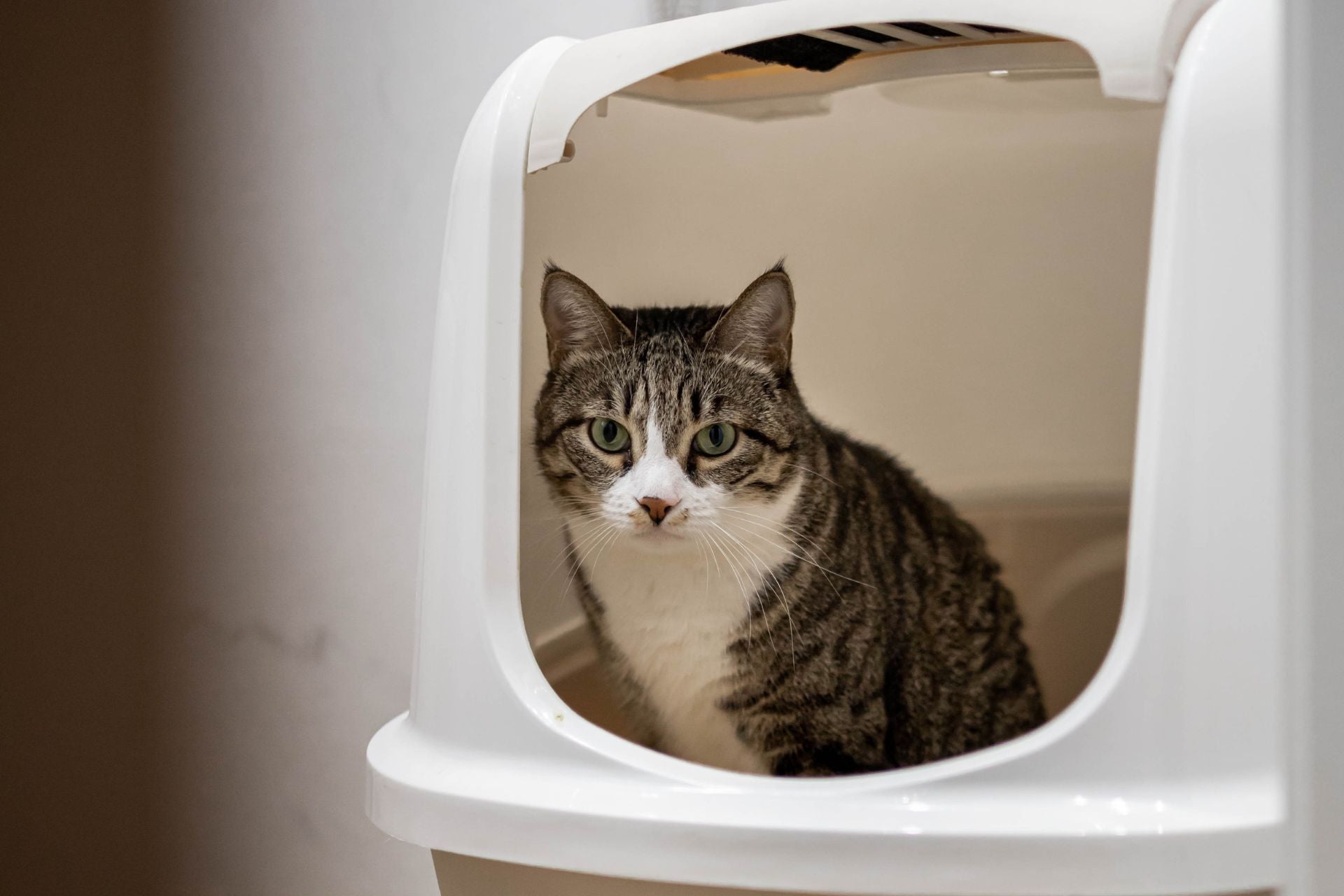
At Sugar River Animal Hospital in Grantham, NH, our team understands how stressful urinary problems can be for both cats and their owners. Cats are very good at hiding discomfort, so subtle changes such as frequent trips to the litter box, straining to urinate, or inappropriate urination should never be ignored. Our veterinarians regularly diagnose and treat feline urinary issues ranging from mild bladder irritation to life-threatening urinary blockages. Routine wellness and annual exams help us identify concerns early and support your cat’s long-term urinary health and comfort.
What are the most common urinary problems in cats?
The most common urinary problems we see in cats include urinary tract infections, urinary blockages, bladder stones, crystals in the urine, and feline lower urinary tract disease, often called FLUTD. FLUTD is a broad term that can include inflammation of the bladder wall, crystals, stress-related urinary issues, and behavioral changes such as inappropriate urination outside the litter box.
What causes urinary problems in cats?
Urinary problems in cats can develop for many different reasons. Bacteria can cause urinary tract infections, while crystals and stones may form when the urine’s pH balance changes. Stress can also contribute to urinary inflammation and mucus production, which may lead to urinary obstruction. Some cats may experience stress-related bladder inflammation without a bacterial infection present.
Are certain cats more prone to urinary issues?
Male cats are more likely to develop urinary blockages because their urethra is longer and narrower than a female cat’s urethra. Urinary obstructions are most commonly seen in younger adult male cats, while urinary tract infections and FLUTD can affect cats of any age.
How can I tell if my cat’s urinary problem is an emergency?
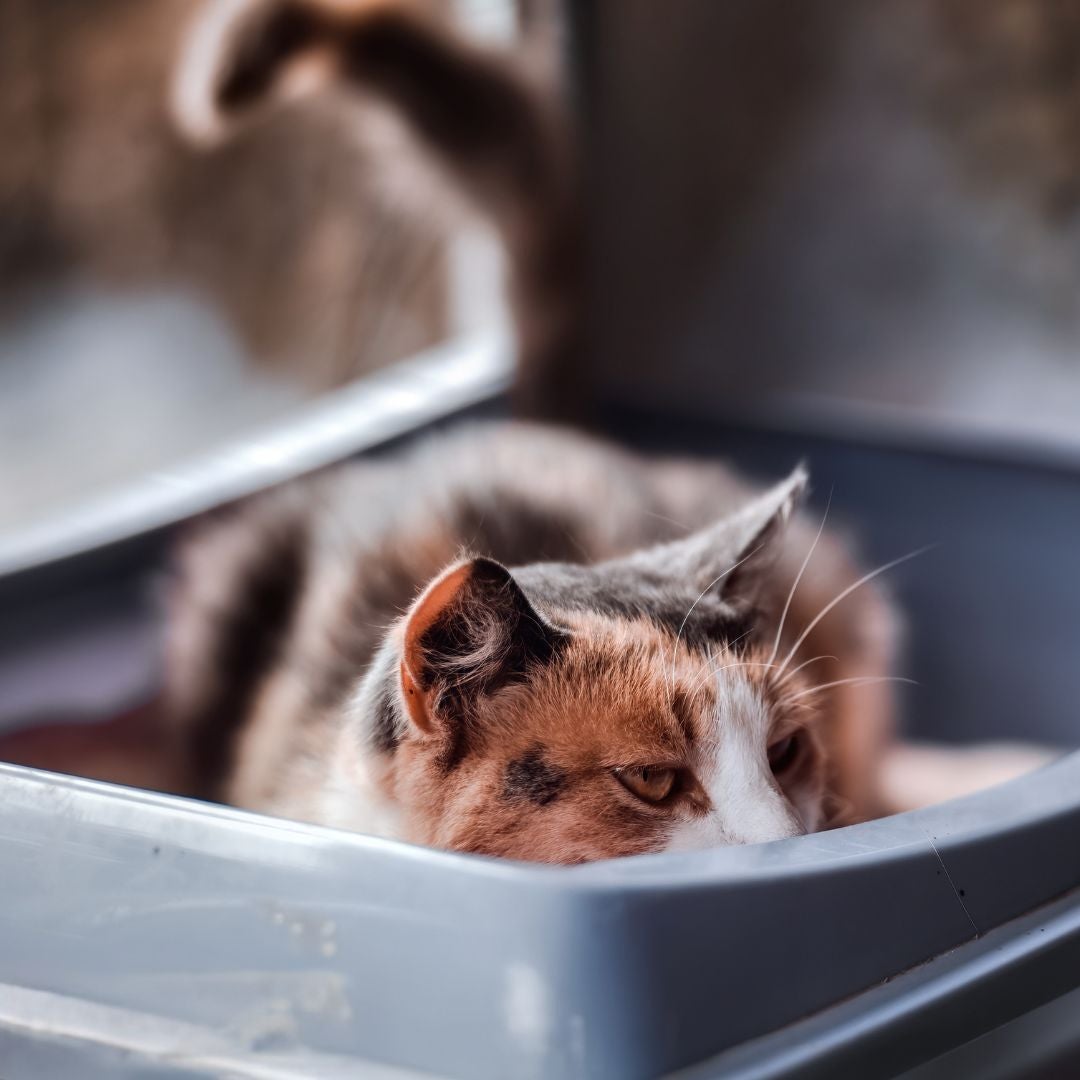 If your cat is straining to urinate and little to no urine is coming out, this is considered a medical emergency. Frequent trips to the litter box, crying while urinating, excessive licking of the urinary area, lethargy, or signs of discomfort can all indicate a urinary blockage or severe urinary issue that requires immediate veterinary care. Our veterinary team recommends having your cat evaluated as soon as possible if you notice these symptoms.
What happens if a urinary blockage is not treated?
A urinary blockage can quickly become life-threatening if left untreated. When urine cannot leave the body, it backs up into the bladder and kidneys, which can lead to bladder rupture, dangerous electrolyte imbalances, kidney damage, and heart complications. At Sugar River Animal Hospital, we consider urinary blockages a true emergency situation.
How do veterinarians diagnose urinary problems in cats?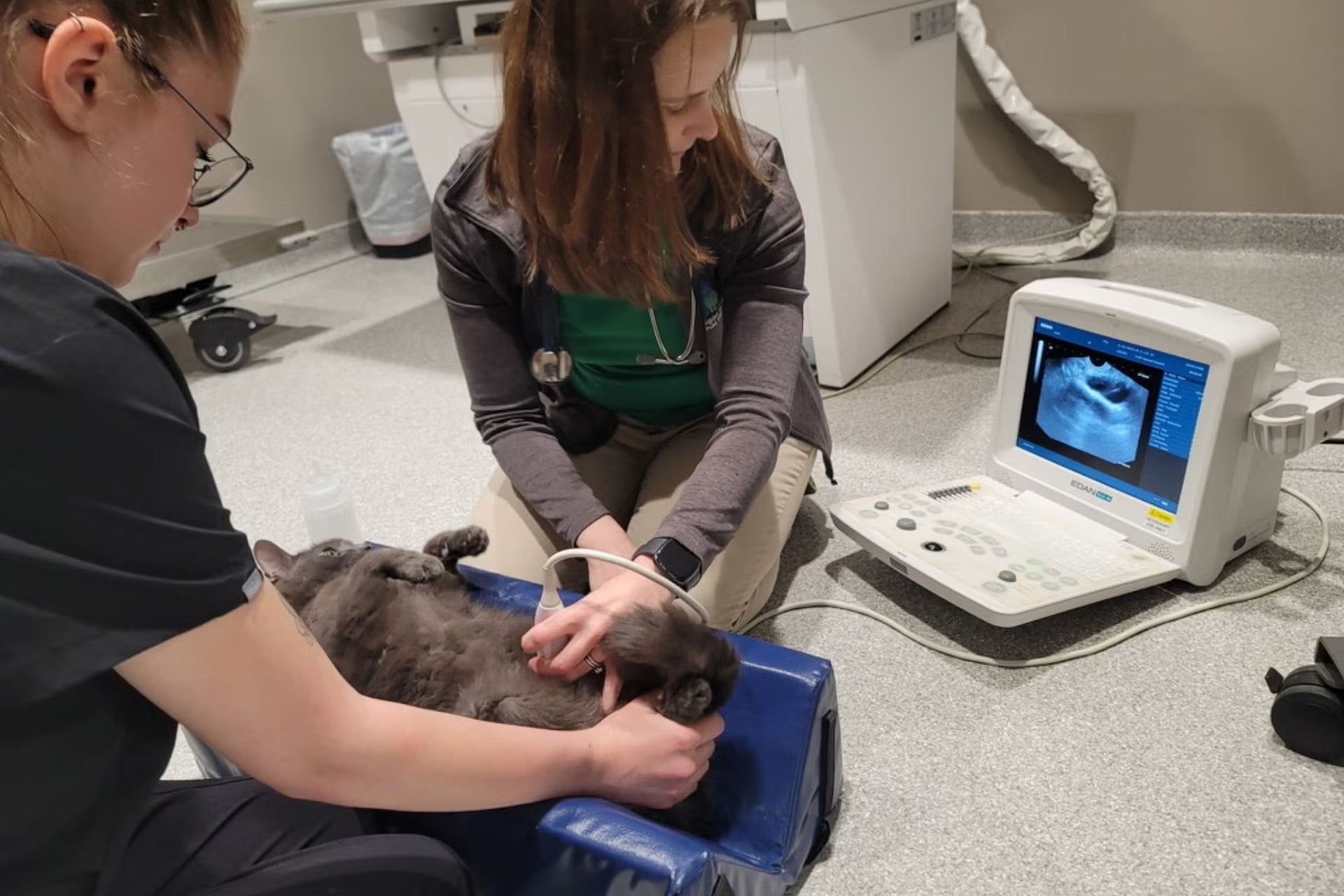
Diagnosis may involve a physical exam, urinalysis, x-rays, or ultrasound imaging. A urinalysis can identify bacteria, blood, crystals, and other abnormalities in the urine, while imaging helps evaluate the bladder, kidneys, and possible stones or obstructions.
What treatments are available for cats with urinary problems?
Treatment depends on the underlying condition. Urinary tract infections are commonly treated with antibiotics, while bladder stones and crystals may be managed with prescription diets designed to support urinary health. We discuss options for stress-related urinary issues that may require environmental changes, dietary adjustments, or anti-anxiety support. Urinary blockages often require hospitalization, anesthesia, and placement of a urinary catheter to relieve the obstruction.
How can I help prevent urinary problems in my cat?
Providing a low-stress environment, keeping litter boxes clean, and encouraging hydration can all help support urinary health. Our veterinarians recommend having one litter box per cat in the household, plus one extra, placed in different areas of the home. Some cats may also benefit from prescription urinary diets recommended by their veterinarian.
How important is hydration for my cat’s urinary health?
Hydration is very important for maintaining urinary health. Drinking more water helps flush the urinary tract and may reduce the risk of crystal formation. Many cats prefer moving water, so water fountains and multiple water stations throughout the home may encourage better hydration.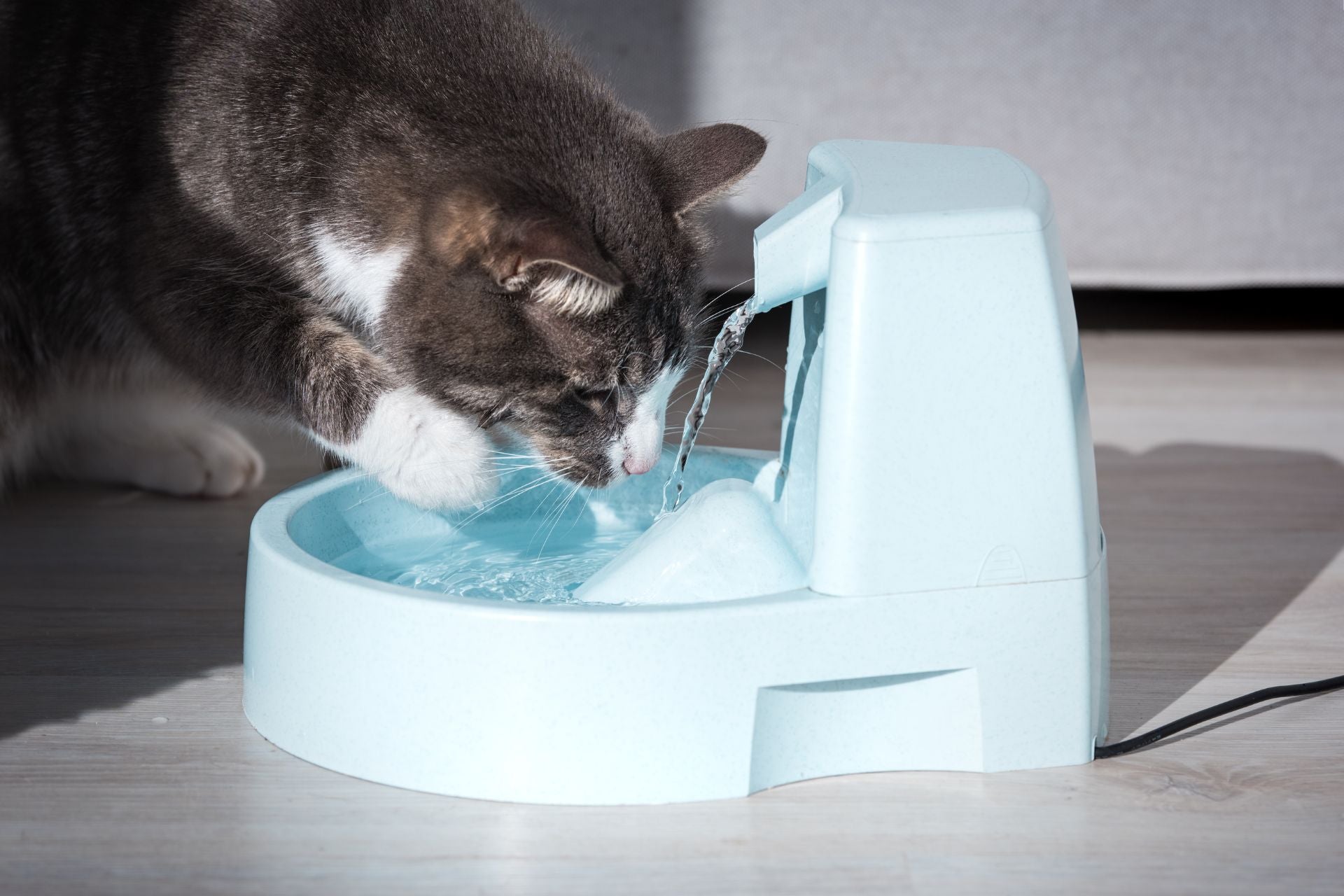
Can urinary problems in cats become chronic?
Yes, some urinary conditions can become chronic or recur over time, especially stress-related urinary disease and urinary obstructions. Long-term management may involve dietary changes, environmental adjustments, monitoring, and in some cases surgery to help reduce the risk of future blockages.
What are the best ways to monitor my cat’s urinary health?
Paying attention to litter box habits is one of the best ways to monitor urinary health. We recommend watching for changes in the size or frequency of urine clumps, straining, excessive licking, blood in the urine, or inappropriate urination outside the litter box. Changes in appetite or behavior may also indicate a urinary problem.
Are there specific litters that help identify urinary problems?
Some specialty litters are designed to change color based on urine pH or other urinary changes. While these products may help identify potential concerns early, they should not replace veterinary evaluation if your cat is showing signs of a urinary issue.
Can a cat urinary tract infection resolve on its own?
Some urinary tract infections may improve without treatment, but they can be painful and uncomfortable for your cat. Veterinary evaluation is important to determine the underlying cause and help prevent complications such as crystals or urinary blockages.
What should I do if my cat has recurring urinary problems?
Recurring urinary issues often require additional diagnostics such as blood work, x-rays, or ultrasound imaging to identify underlying causes. Environmental stressors, diet, and litter box setup may also need to be evaluated to help reduce flare-ups and improve long-term urinary health.
Are male cats more likely to have urinary blockages?
Yes, male cats are more prone to urinary blockages because their urethra is narrower and longer, making it easier for crystals, mucus, or debris to become lodged and obstruct urine flow.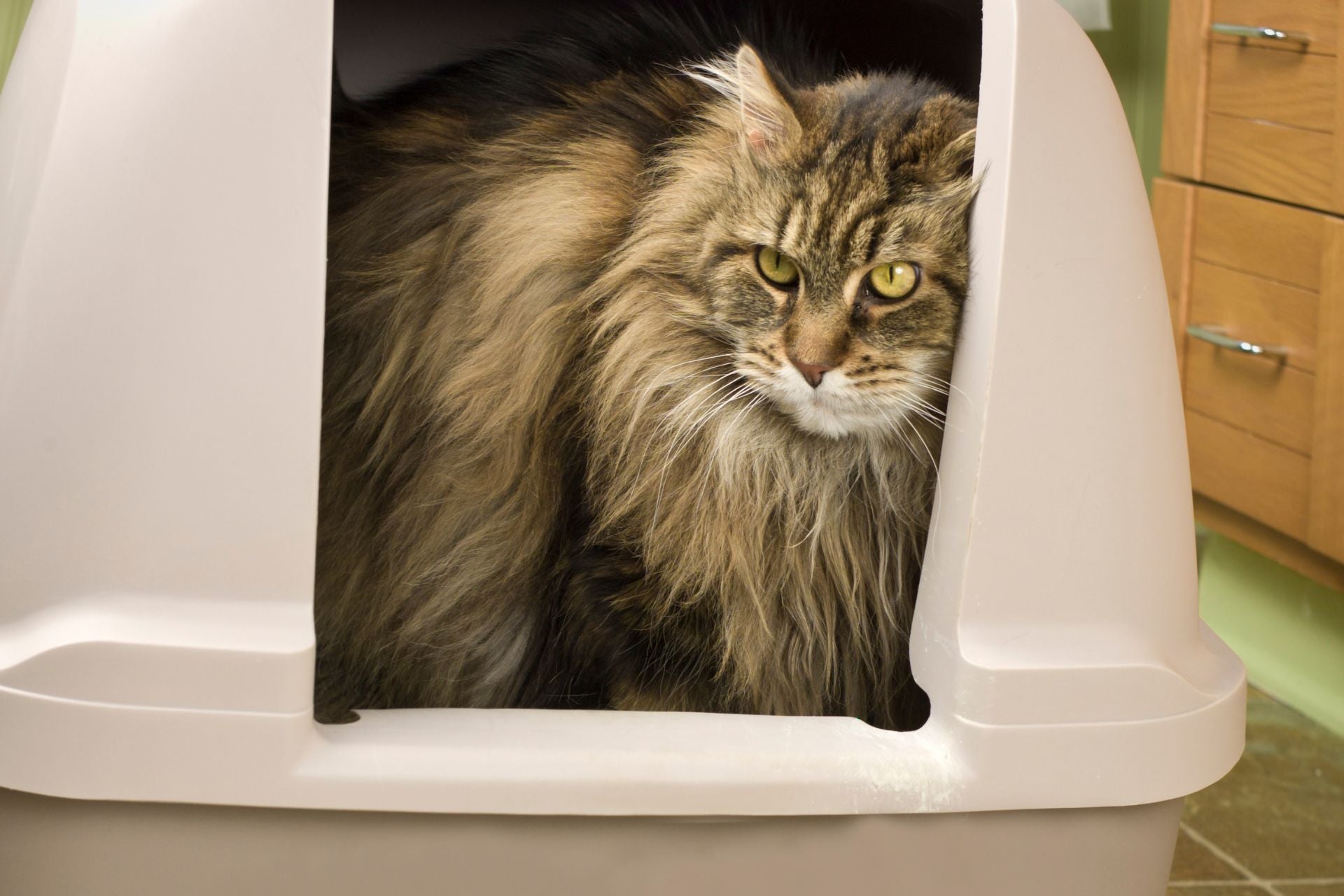
What is feline idiopathic cystitis or FIC?
Feline idiopathic cystitis, or FIC, is a form of bladder inflammation often associated with stress. Cats with FIC may strain to urinate, produce only small amounts of urine, and have blood in the urine even though no bacterial infection is present. Treatment often focuses on reducing inflammation and identifying possible stress triggers.
When should I take my cat to the vet for urinary problems?
You should contact your veterinarian as soon as you notice signs of a urinary issue, including frequent litter box trips, straining, blood in the urine, excessive licking, or urinating outside the litter box. Early intervention can help prevent more serious complications and improve outcomes for your cat.
FAQs
Can stress cause urinary problems in cats?
Yes, stress is a common trigger for urinary flare-ups in cats. Changes in the home environment, new pets, visitors, schedule changes, or disruptions to routine can sometimes contribute to stress-related bladder inflammation and urinary symptoms.
What are signs my cat may have a urinary blockage?
Signs of a urinary blockage may include straining to urinate, crying in the litter box, frequent attempts to urinate with little or no urine produced, vomiting, lethargy, hiding, or excessive grooming of the urinary area. These signs should always be treated as an emergency.
Does diet play a role in cat urinary health?
Diet can play an important role in urinary health. Certain prescription urinary diets are formulated to help maintain proper urine pH and reduce the formation of crystals and stones. Your veterinarian can help determine whether a urinary diet is appropriate for your cat.
If you have questions about your cat’s urinary health or have noticed changes in litter box habits, the team at Sugar River Animal Hospital in Grantham, NH is here to help. Early diagnosis and treatment can make a significant difference in your cat’s comfort, health, and long-term quality of life.
If you’re ready to schedule an exam or would like to learn more about our veterinary services, we’d love to hear from you. Call (603) 287-1181 or email [email protected]. We look forward to caring for your pet.