



At Sugar River Animal Hospital in Grantham, NH, we believe pet owners should have clear, reliable information to make confident decisions about their dog's health and well-being. Whether you're welcoming a new puppy or deciding on the best timing for surgery, understanding the differences between spaying and neutering, their long-term health benefits, and what to expect before and after the procedure can help you feel more prepared.
Below, you'll find answers to common questions about when to spay or neuter your dog, how surgery may affect behavior, what recovery looks like, and whether timing varies based on breed or lifestyle. Dr. Catherine McLean and our veterinary team regularly help families throughout the Upper Valley navigate these important decisions, offering personalized recommendations based on each dog's age, breed, lifestyle, and individual health needs. Our goal is to help you make informed choices that support your companion's lifelong health and happiness.
What is the difference between spaying and neutering my dog?
Spaying is performed on female dogs and involves surgically removing the ovaries and uterus. Neutering is performed on male dogs and involves removing the testicles through a small incision. Both procedures prevent reproduction and provide long-term health benefits.
When should my dog be spayed or neutered?
The ideal age varies depending on breed, size, and lifestyle. While many small breed dogs are spayed or neutered around six months of age, larger breeds may benefit from different timing. Dr. Catherine McLean recommends discussing your dog's specific needs with your veterinarian to determine the best plan.
What are the health benefits of spaying and neutering my dog?
Spaying female dogs prevents pyometra, a potentially life-threatening uterine infection, and greatly reduces the risk of mammary tumors when performed before the first heat cycle. Neutering male dogs decreases the likelihood of roaming and may help prevent prostate problems later in life.
Are there risks associated with spaying or neutering?
Any surgical procedure carries some risk, but complications are uncommon. Male dogs rarely experience post-operative issues, although swelling or bleeding can occasionally occur. Female dogs undergo abdominal surgery, so bleeding and swelling are possible but uncommon. Limiting activity during recovery helps reduce complications.
How should I prepare my dog for surgery?
Before surgery, discuss post-operative care with your veterinary team. Some dogs do well with traditional cones, while others are more comfortable with soft collars or recovery suits. Pre-surgical blood work is often recommended to evaluate organ function and screen for any underlying conditions that could affect anesthesia or recovery.
What should I expect on the day of surgery?
At Sugar River Animal Hospital, pets are admitted in the morning after fasting overnight. Water is generally allowed, and most medications can be given unless otherwise directed. Once surgery is completed, our team will call with an update and arrange a same-day discharge time.
How long does the procedure take?
Most neuter procedures take less than 20 minutes, while spays are typically completed within 30 minutes. Larger or mature dogs may require additional time.
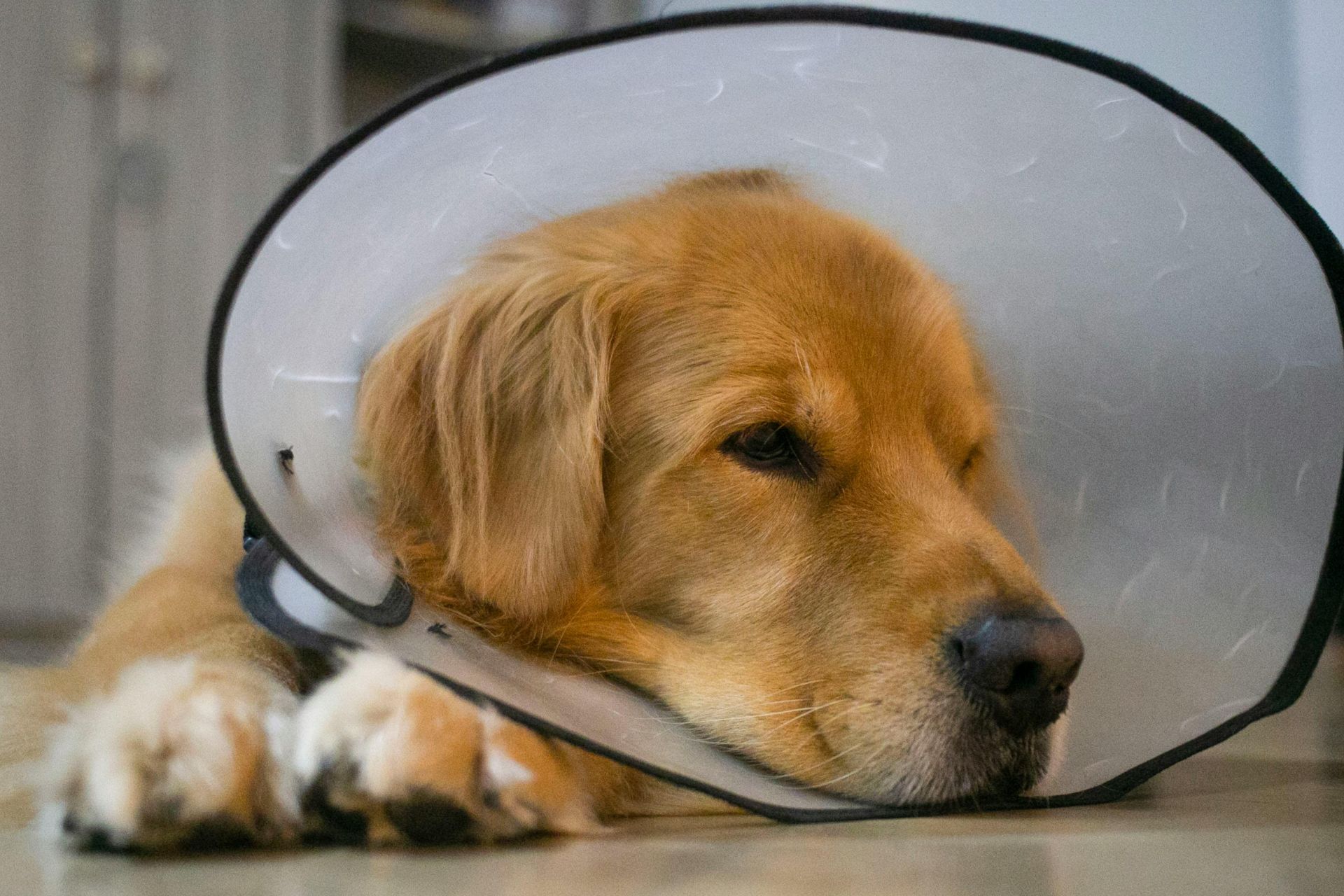
What is the recovery process like?
Recovery usually lasts about two weeks. During this time, dogs should avoid running, jumping, rough play, and excessive stair use. Short leash walks are recommended while the incision heals.
Will spaying or neutering change my dog's behavior?
Spaying and neutering do not change your dog's personality. However, neutering before hormone-related behaviors develop may help reduce roaming or territorial behaviors. Existing behavioral issues are unlikely to be corrected by surgery alone.
Can my dog go into heat after being spayed?
No. Once the ovaries and uterus are removed, female dogs no longer go into heat.

Will spaying or neutering cause weight gain?
Spayed and neutered dogs often experience a slower metabolism. To help maintain a healthy weight, Dr. McLean generally recommends reducing calories by approximately 25% and continuing regular exercise.
Are there long-term health concerns after spaying or neutering?
Most dogs do not require any special long-term monitoring after surgery. However, dogs that experienced one or more heat cycles before being spayed may have an increased risk of mammary tumors later in life, so regular checks of the mammary chain are recommended.
What should I do if my dog has complications after surgery?
If you notice excessive swelling, discharge, lethargy, loss of appetite, or any other concerns during recovery, contact your veterinarian. Our team can help determine whether what you're seeing is normal or if your dog should be examined.
How much does spaying or neutering cost?
The cost varies based on your dog's size, age, sex, and overall health. Female dogs generally require a more involved procedure than males, and mature dogs or dogs that have gone through heat cycles may require additional surgical time. Your veterinarian can provide an estimate tailored to your pet.
Whether you're welcoming a new puppy or deciding the best timing for your dog's procedure, our team at Sugar River Animal Hospital is here to help. Dr. Catherine McLean and our experienced veterinary team proudly provide dog spay and neuter services for families throughout Grantham, Lebanon, Newport, Hanover, and surrounding Upper Valley communities. If you have questions about surgery, recovery, or scheduling, we're happy to help you make the best decision for your pet.
If you're ready to schedule your dog's spay or neuter surgery or would like to learn more about our veterinary services, we'd love to hear from you. Call (603) 287-1181 or email [email protected]. We look forward to caring for your pet.