

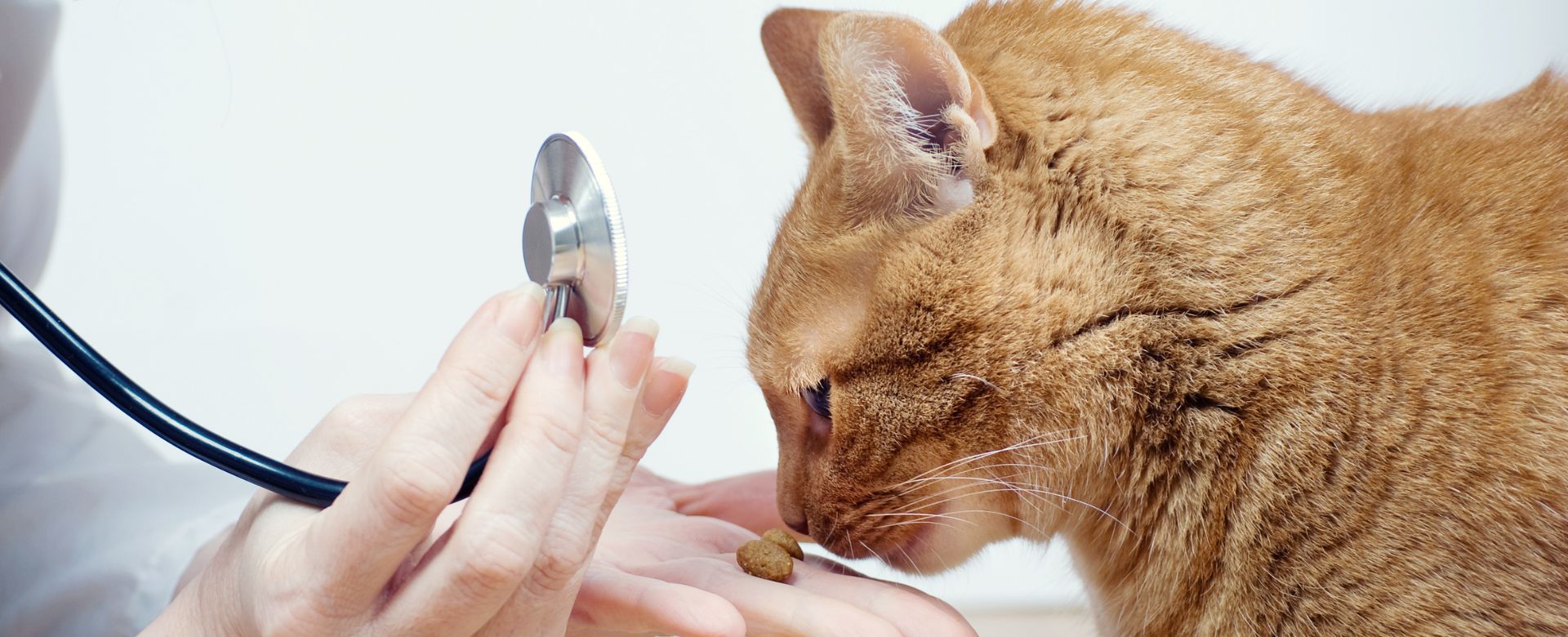
 At Sugar River Animal Hospital, we believe preventive care is one of the most important investments you can make in your cat’s long-term health. Because cats are experts at hiding illness, routine laboratory testing allows our veterinary team to identify health changes before your cat shows obvious signs of disease. When combined with a comprehensive physical examination, Annual lab work provides valuable insight into your cat’s overall health and helps us monitor changes over time.
Whether your cat is a playful kitten, an active adult, or a senior companion, laboratory testing plays an important role in personalized veterinary care. Based on your cat’s age, lifestyle, and medical history, our veterinary team may recommend diagnostics such as a complete blood count (CBC), blood chemistry panel, thyroid testing, urinalysis, fecal testing, or feline leukemia screening. These tests help evaluate organ function, detect infections, screen for chronic conditions, and establish important baseline values that guide future care.
Many pet owners have questions about when their cat needs lab work, what different tests evaluate, and whether testing is necessary if their cat appears healthy. The following information explains common questions about cat lab work, including what tests evaluate, when testing may be recommended, and how these diagnostics help support your cat’s long-term health.
What is lab work for cats?
At our practice, lab work for cats typically includes a Complete Blood Count (CBC), a comprehensive chemistry panel to evaluate major organ function, a thyroid panel, and a urinalysis. Together, these tests provide valuable information about your cat's overall health and can help identify underlying medical conditions before they become more serious.
Why is lab work important for my cat's health?
Cats are exceptionally good at hiding illness, which means they often don't show obvious signs until a disease has progressed. Routine lab work helps detect changes early, allowing your veterinarian to diagnose and treat medical conditions before they become life-threatening. Annual lab work is one of the best tools we have for monitoring your cat's long-term health.
What are the most common lab tests performed on cats?
The most appropriate lab tests depend on your cat's age and health status. Kittens are commonly tested for feline leukemia and feline immunodeficiency virus because these diseases can be passed from their mother or through contact with other cats.
Before surgery or any procedure requiring general anesthesia, we typically perform blood work to evaluate liver and kidney function, check clotting ability, and measure red blood cells, white blood cells, and platelets to ensure your cat can safely undergo anesthesia.
As cats get older, we often recommend an Annual lab panel, sometimes referred to as a comprehensive health panel. This includes a CBC, chemistry panel, urinalysis, and thyroid testing. These tests evaluate blood glucose, kidney function, liver function, pancreatic health, calcium levels, and other important markers that help us monitor your cat's overall health. Annual laboratory testing also provides valuable information for cats that are already feeling ill.
How often should my cat have lab work done?
How often your cat needs lab work depends on their age and overall health. Once cats reach about eight years of age, we typically recommend Annual lab work as part of their Annual examination.
Annual blood work often provides the earliest indication that a disease process is developing. Having previous laboratory results also allows your veterinarian to identify trends over time. In my own cat, having years of blood work allowed me to detect hyperthyroidism very early, making it possible to begin treatment before it became a significant medical problem.
How long does cat blood work take?
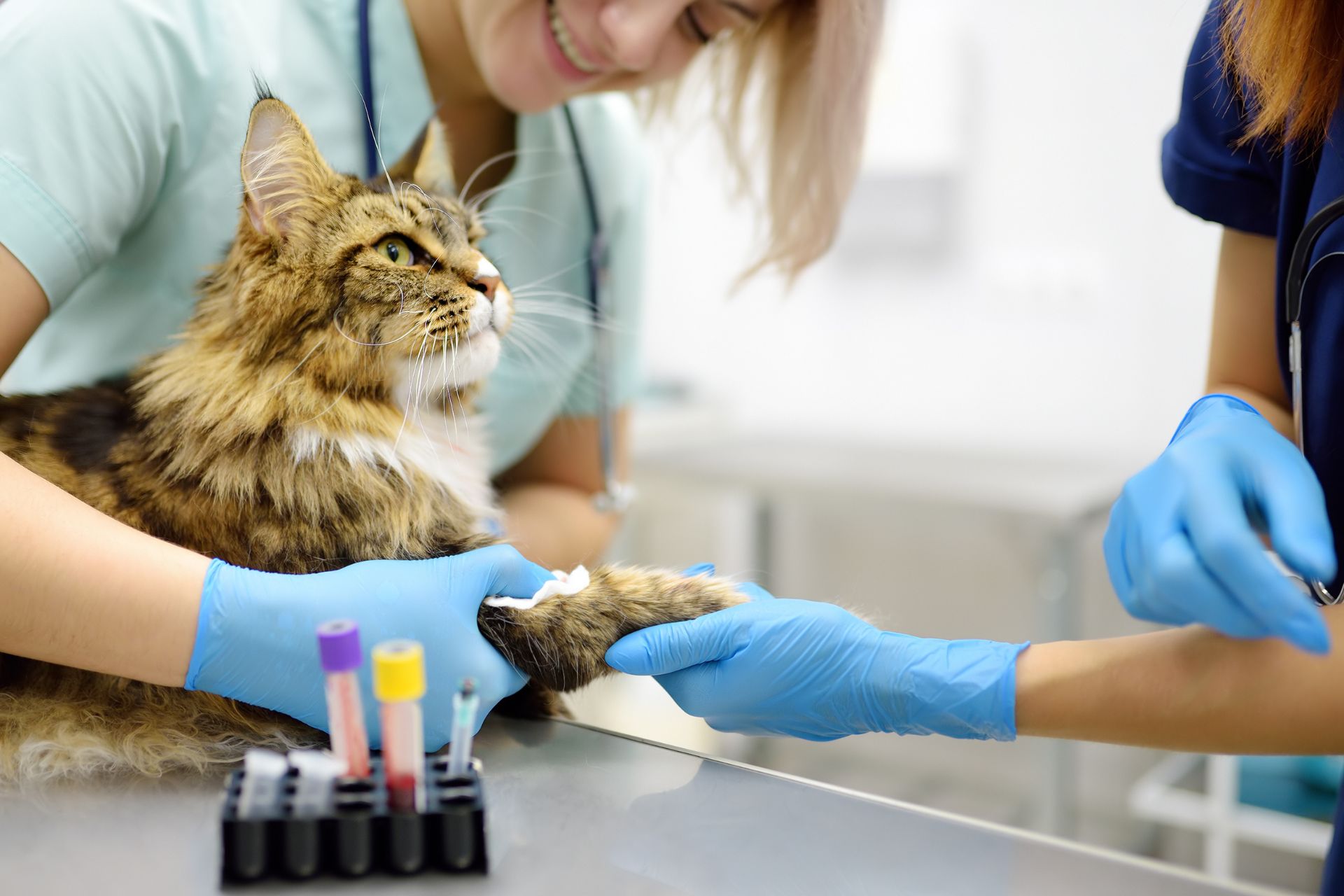
Collecting blood and urine samples usually takes about five to ten minutes, depending on how cooperative your cat is. Most cats tolerate the process very well. Laboratory results are typically available within 24 to 48 hours, allowing your veterinarian to review the findings and discuss any recommendations with you.
Is cat lab work painful or stressful?
Having lab work performed is not considered painful for most cats. The blood draw is similar to when people have their blood taken and usually feels like a quick needle prick. Some cats may experience mild stress because they do not understand what is happening, but most cats tolerate the process very well.
 What does a Complete Blood Count (CBC) tell me about my cat's health?
A Complete Blood Count (CBC) evaluates red blood cells, white blood cells, and platelets. Red blood cells help carry oxygen throughout the body, and low levels can indicate anemia or an underlying health concern. Higher red blood cell counts, especially in sick cats, may indicate dehydration.
White blood cells help us understand how your cat's body is responding to possible infection or inflammation. Platelets play an important role in blood clotting, so a decreased platelet count may indicate an underlying disease process that needs further evaluation.
What is a blood chemistry panel and why is it important for cats?
A blood chemistry panel evaluates different areas of your cat's organ function. The specific tests included can vary depending on why the blood work is being performed.
For example, pre-surgical blood work often focuses on kidney and liver values because these organs are important in processing anesthesia. A more comprehensive Annual lab panel evaluates additional areas, including liver and kidney function, blood glucose, calcium levels, electrolytes, and pancreatic health.
How can lab work help diagnose kidney disease in cats?
Kidney disease is one of the more common conditions we see, especially in older cats. Unfortunately, cats often do not show obvious signs of kidney disease until a significant amount of kidney function has already been lost.
Routine lab work can help identify kidney disease earlier, sometimes before your cat is showing noticeable symptoms. Detecting kidney changes sooner allows us to make adjustments that may improve your cat's quality of life and help slow the progression of kidney disease.
What does a urinalysis reveal about my cat's health?
A urinalysis evaluates a urine sample and provides valuable information about your cat's health. It helps us assess how well the kidneys are concentrating urine and can identify changes that may indicate other health concerns.
A urinalysis can detect glucose in the urine, which along with elevated blood glucose, may be a sign of diabetes. It can also identify bacteria, red blood cells, and white blood cells, which may be associated with conditions such as urinary tract infections or stress-related urinary issues.
Urinalysis also evaluates urine pH and can identify urinary crystals, which may help us assess the risk of certain urinary concerns, including crystal or stone formation.
How is a fecal exam performed and what can it detect?
A fecal exam is performed by submitting a small sample of your cat's stool to a laboratory, usually collected from the litter box. The sample is examined for intestinal parasites.
Many pet owners assume they will be able to see parasites in their cat's stool, but that is usually not the case unless a cat has a heavy parasite burden. Most parasite eggs are microscopic and require laboratory testing to identify. Tapeworm segments are one exception because they may sometimes be visible around the anus or in the stool.
What should I do to prepare my cat for lab work?
Usually, there is nothing special you need to do to prepare your cat for lab work unless your veterinarian recommends specific instructions for a certain test. Some tests may require fasting beforehand.
If your cat normally receives medication to help them relax during veterinary visits, your veterinarian may recommend giving that medication before the appointment. In many cases, lab work is performed during your cat's examination appointment so your veterinarian can evaluate their overall health and discuss any recommendations with you.
How are blood samples collected from cats?
Blood samples from cats are collected using a needle and syringe. The process is typically quick, and most cats tolerate the blood draw very well. Your veterinary team will work to make the experience as comfortable and stress-free as possible for your cat.
Are there risks or side effects associated with lab work for cats?
Lab work is generally very safe for cats. Occasionally, there may be mild bruising at the site where blood was collected, similar to what can happen after a blood draw in people. Some cats may also experience temporary soreness in the area where the sample was taken.
How long does it take to get cat lab results?
Most cat lab results are available within 24 to 48 hours. Once results are reviewed, your veterinarian can discuss what they mean and whether any follow-up care or monitoring is recommended.
What do elevated liver enzymes indicate in a cat's blood work?
Elevated liver enzymes can indicate many different things in cats, so the results need to be interpreted along with your cat's symptoms, history, and other laboratory findings.
In cats that are not eating well and have elevated liver values, we may be concerned about a condition called hepatic lipidosis, where the body uses fat stores in the liver for energy. Elevated liver enzymes can also be associated with inflammation of the liver, cancer, other diseases such as hyperthyroidism, or certain medications.
How can lab work help detect diabetes in cats?
Lab work helps detect diabetes in cats by measuring blood glucose levels. Elevated blood glucose, especially when combined with clinical signs, can be an indicator of diabetes.
A urinalysis can also provide important information because diabetic cats may have glucose in their urine. If diabetes has been untreated for a long period of time, cats may develop ketones in their urine, which can indicate a serious complication called diabetic ketoacidosis.
In some diabetic cats, a blood test called fructosamine may also be used to provide information about blood sugar levels over time.
What is a thyroid panel and why might a cat need one?
A thyroid panel measures thyroid hormone levels in cats. The two most common thyroid tests evaluated are total T4 and free T4.
An elevated total T4 level can indicate hyperthyroidism, which is a common condition in older cats. Sometimes a cat's total T4 level falls into what is called a gray zone, meaning the results are not clearly normal or abnormal. In those cases, a free T4 test may provide additional information because it is more sensitive.
A low total T4 level is uncommon in cats and may be associated with another chronic disease process affecting their health.
Can lab work detect infections in cats?
Lab work can sometimes help detect infections in cats, but the results can vary depending on the type of infection and where it is located in the body.
For example, a urinary tract infection may not always cause an elevated white blood cell count on blood work, but white blood cells may be found in the urine. Some localized infections may or may not cause changes in blood work, so your veterinarian will evaluate the results along with your cat's symptoms and overall health.
How are lab results used to monitor my cat's ongoing health conditions?
Lab work is an important tool for monitoring cats with ongoing health conditions. For example, cats with hyperthyroidism may have follow-up blood work performed after starting treatment to make sure they are receiving the appropriate care and to monitor kidney function, as kidney disease can sometimes be hidden by hyperthyroidism.
Cats with chronic kidney disease may have their blood work monitored regularly to evaluate changes in kidney function. For diabetic cats, lab work helps monitor blood glucose levels and how well their diabetes is being managed.
What is a feline leukemia test and why is it important?
A feline leukemia test is used to detect feline leukemia virus (FeLV), a disease that can affect a cat's immune system. Feline leukemia can be spread through saliva, including through close contact or fighting with infected cats, and it can also be passed from a mother cat to her kittens.
Testing is important because feline leukemia can eventually affect a cat's ability to fight disease and can be contagious to other cats. Knowing your cat's status helps your veterinary team provide appropriate monitoring and recommendations for their long-term health.
Is feline leukemia fatal in cats?
Feline leukemia can be a serious disease and may be fatal in some cats. Testing helps your veterinary team understand your cat's health status and provide guidance on monitoring, care, and protecting other cats from potential exposure.
How do I interpret my cat's lab results and what questions should I ask my vet?
Your veterinarian is the best resource for helping you understand your cat's lab results. Lab values should always be interpreted alongside your cat's age, medical history, symptoms, and physical examination findings.
When your veterinarian reviews the results with you, this is a great time to ask questions about what the values mean, whether any changes are needed, and what monitoring or follow-up care may be recommended. If additional questions come up later, you can always reach out to your veterinary team for clarification.
If you have questions about your cat’s lab work, annual exams, or what testing may be recommended based on your cat’s age and health needs, our team at Sugar River Animal Hospital is here to help. Contact us today to schedule an appointment or reach out with questions about your cat's care at (603) 287-1181 or email [email protected].