

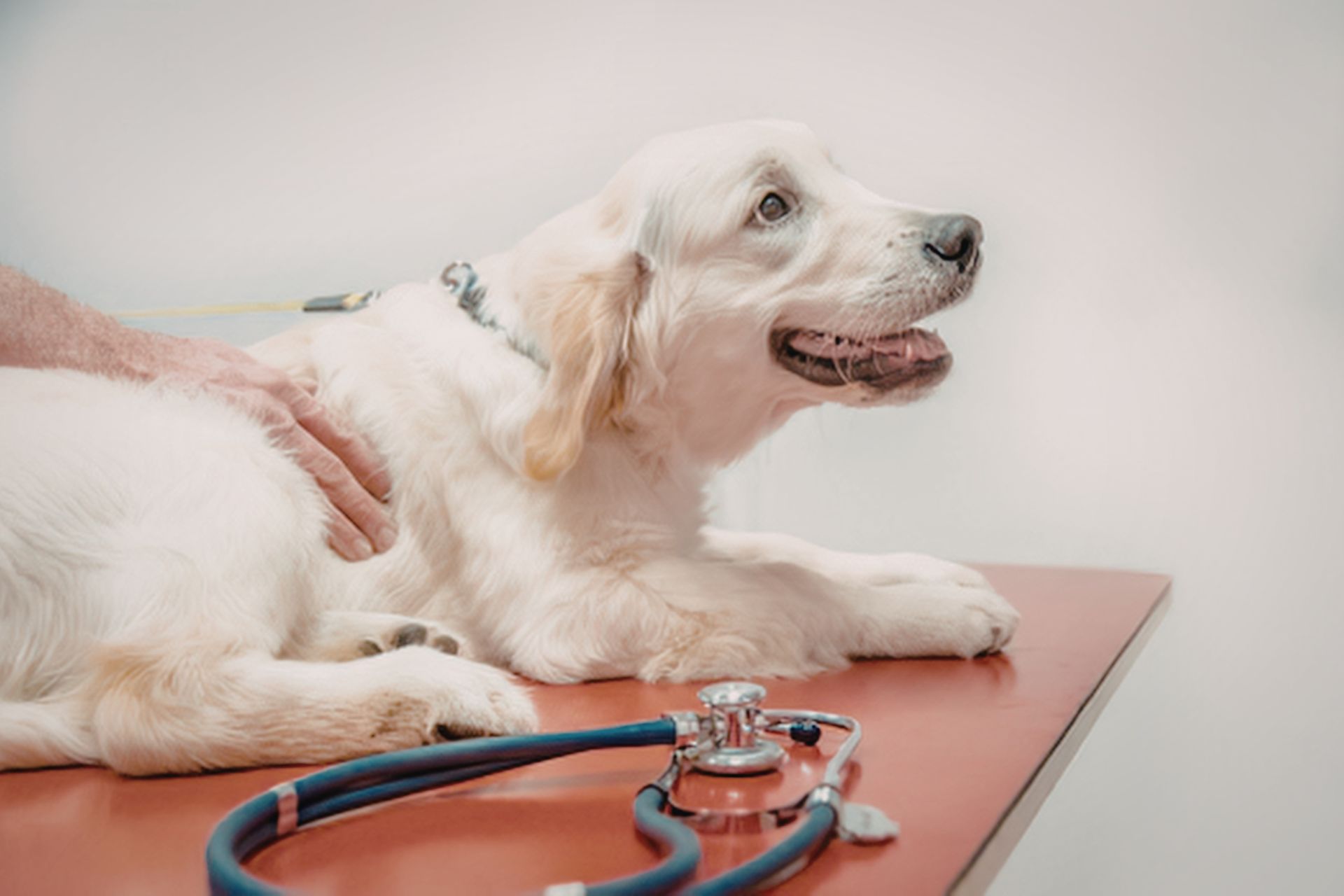
 At Sugar River Animal Hospital in Grantham, NH, we believe preventive care is one of the most important parts of helping your dog live a longer, healthier life. Because dogs can often hide signs of illness until a condition has progressed, routine laboratory testing can provide valuable insight into your dog's internal health before problems become more difficult to manage.
Annual lab work, combined with regular physical examinations, helps our veterinary team monitor changes over time, establish important health baselines, and identify concerns early. Depending on your dog's age, lifestyle, medical history, and individual needs, our veterinarians may recommend testing such as a complete blood count (CBC), blood chemistry panel, urinalysis, fecal testing, heartworm and tick disease screening, or other diagnostic tests.
Whether your dog is a young puppy, an active adult, or a senior companion, laboratory testing plays an important role in personalized veterinary care. The information gathered from these tests helps our team evaluate organ function, screen for disease, support safer anesthesia, and make informed recommendations to protect your dog's long-term health.
Many pet owners have questions about when dogs need blood work, what different tests evaluate, and how often testing should be performed. Below, we answer common questions about dog lab work, including what to expect during testing and how these diagnostics support your dog's overall well-being.
Why might my dog need lab work?
Your dog might need lab work for a number of different reasons. Annually, once your dog turns six months to a year of age or older, we do a yearly blood test called the heartworm and tick test. This looks for exposure to heartworm and three different tick-borne diseases, which is important in our area since we see a lot of tick diseases and heartworm.
Other reasons we might do blood work include before surgery to make sure the liver and kidneys are functioning properly. We also recommend fecal exams annually since dogs have their nose in the ground a lot and like to eat things like wildlife feces, which can expose them to intestinal parasites. We may also use blood work to monitor your dog's health or investigate illness.
What are the different types of lab work a veterinarian can call for?
There are many different lab panels that a veterinarian can use. The most common ones we use are a complete blood count (CBC), which looks at red blood cells, white blood cells, and platelets.
For surgeries, we may check clotting times to make sure there are no concerns with bleeding during surgery. We also use clotting times if a dog gets into certain toxins, such as rat poison.
A fecal exam checks for intestinal parasites. A urinalysis can help check for urinary tract infections, stones, and monitor kidney function. Chemistry panels help evaluate organ function, including the liver, kidneys, pancreas, blood glucose, and sometimes thyroid levels. Cytology may be used to evaluate masses found on the skin, and gastrointestinal panels may be recommended for chronic diarrhea or vomiting when traditional treatments have not resolved the issue.
How does my veterinarian decide what lab tests to order for my dog?
The lab tests we recommend depend on why your dog is being seen. If your dog is sick, we may recommend a more comprehensive panel than we would for routine monitoring or a pre-surgical screening.
Some basic testing is recommended annually, including fecal testing and heartworm and tick testing. As dogs get older, we often discuss Annual blood work panels starting around eight years of age to monitor organ function and help ensure they remain healthy.
When will a veterinarian recommend dog blood tests?
This can vary depending on the practice and your dog's individual needs. Blood work is commonly recommended annually with heartworm and tick testing, along with fecal testing.
We also recommend pre-surgical blood work before anesthesia, Annual blood work as dogs get older, and additional monitoring if your pet is sick or taking certain medications that require blood value checks.
What will blood work tell me about my dog?
Blood work can tell us many things about your dog's health. It can help evaluate whether your dog has an infection, whether they have enough red blood cells, how their thyroid is functioning, and how their liver and kidneys are working.
Blood work can also provide information about conditions such as diabetes and urinary tract infections. Since dogs can hide signs of illness, lab testing gives us valuable information about what may be happening internally.
How does a baseline lab test benefit my dog's health?
Baseline lab work is helpful because it gives us a comparison point for your dog's future health. If we run blood work when a dog is sick and something is abnormal, it can be difficult to know whether that change is new or something that has been present over time.
Baseline testing can also help identify health concerns before obvious symptoms appear and provide important information when making decisions about your dog's care.
What should I do if I'm having trouble understanding my dog's blood test results?
Your veterinarian should review your dog's blood test results with you when they are available. If you have questions, ask your veterinarian to explain what the results mean and how they relate to your dog's health.
If additional questions come up later, you can always contact your veterinary team for clarification.
What do chemistries mean on my dog's blood work?
Chemistry values typically evaluate different areas of your dog's health, including liver values, kidney values, pancreas, blood glucose, and sometimes thyroid levels. These results help us determine if there are concerns with different body systems.
What can I expect from my dog when getting blood work done?
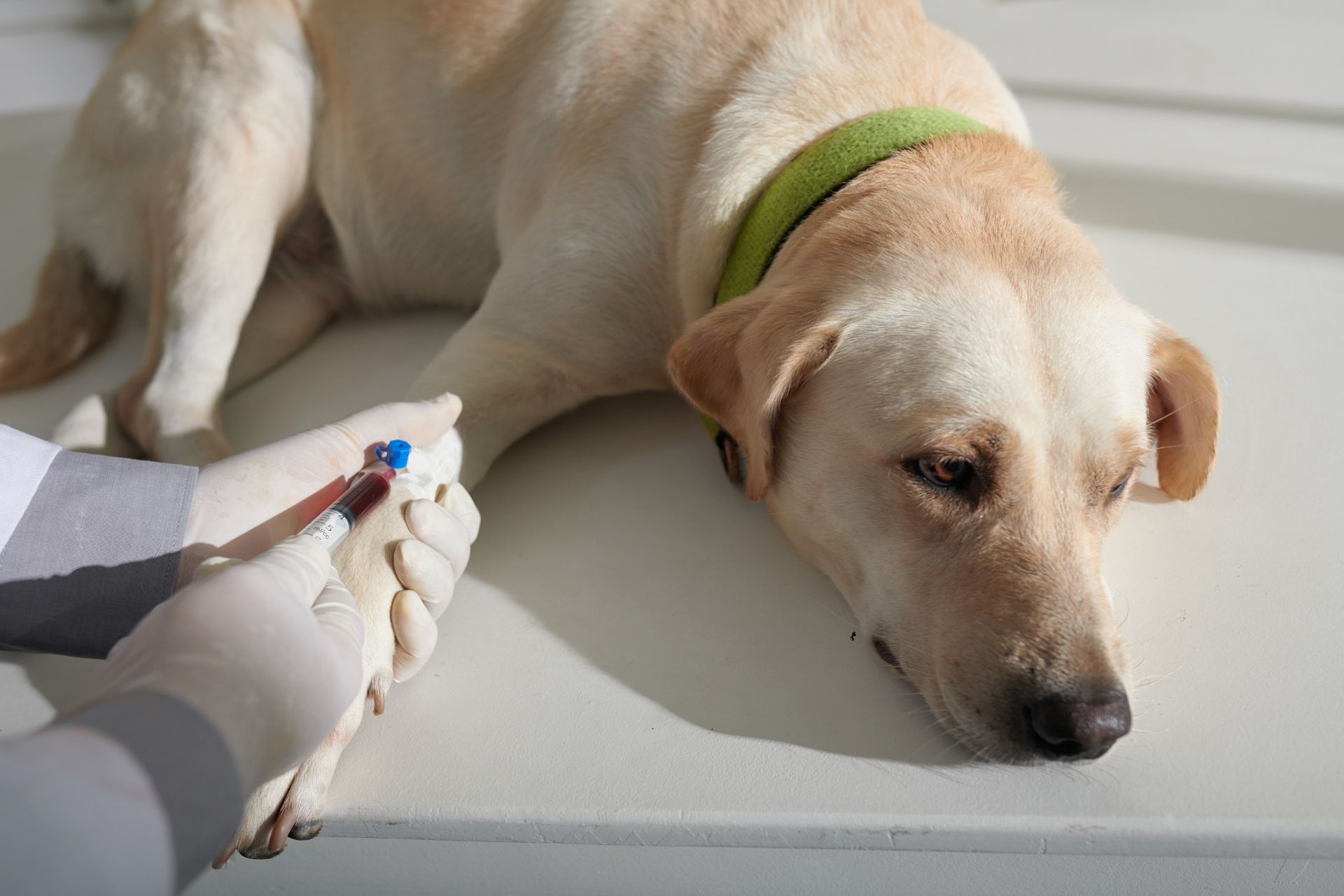
Most dogs tolerate blood work very well. A technician will usually help hold your dog safely while acting as a tourniquet, and the veterinarian or another technician will collect the blood sample from a vein.
Blood samples are commonly collected from a leg, but sometimes a vein in the neck may be used. Having lab work performed is similar in discomfort to getting a vaccination or having blood drawn in people.
Is having lab work done painful for my dog?
Having lab work done is no more uncomfortable than getting a vaccination or having blood drawn. Most dogs tolerate the process very well, and the discomfort is typically minimal.
Does my veterinarian need an in-house lab for dog blood work?
Many veterinary hospitals have an in-house laboratory. At our practice, we primarily use our in-house lab for sick or critical patients, and we also perform some monitoring blood work there.
If your veterinarian does not have an in-house lab, they may send samples to a reference laboratory. Results are often available within a short timeframe depending on the type of testing performed.
At Sugar River Animal Hospital, our goal is to make veterinary care clear, comfortable, and personalized for every dog we see. If you have questions about whether your dog needs lab work, would like to schedule an Annual wellness exam, or want to discuss your pet’s health needs, our veterinary team is here to help.
Contact Sugar River Animal Hospital today to schedule an appointment or speak with our team about recommended testing for your dog at (603) 287-1181 or email us at [email protected]. Our veterinary team is here to help you understand your dog's health needs and recommend the appropriate diagnostic testing.