


Urinary problems are common in dogs and can range from a simple urinary tract infection to bladder stones, urinary incontinence, or a potentially serious urinary blockage. Because changes in urination can sometimes be easy to overlook, knowing what is normal for your dog can help you recognize when something may need veterinary attention. At Sugar River Animal Hospital, our veterinary team can help identify the cause of urinary changes and recommend appropriate testing and treatment based on your dog’s individual needs.
What are the most common urinary problems in dogs?
The most common urinary problems in dogs are urinary tract infections, urinary incontinence, bladder stones, and, less commonly, urinary blockages.
What causes urinary problems in dogs?
There are many factors that can cause urinary problems in dogs. Urinary tract infections occur when bacteria get into the urinary tract. This can happen because dogs lick themselves, and the urinary tract is located close to the anus, where contamination can occur. In female dogs, anatomy can sometimes trap bacteria and contribute to urinary tract infections. Urinary incontinence is most commonly seen in female dogs and is usually related to a decrease in estrogen. Bladder stones can develop secondary to urinary tract infections or when a dog cannot maintain a neutral urine pH, causing natural minerals in the urine to form stones. Urinary blockages can occur when stones become lodged in the urethra.
Are certain dog breeds or ages more prone to urinary issues?How can I tell if my dog's urinary problem is serious?
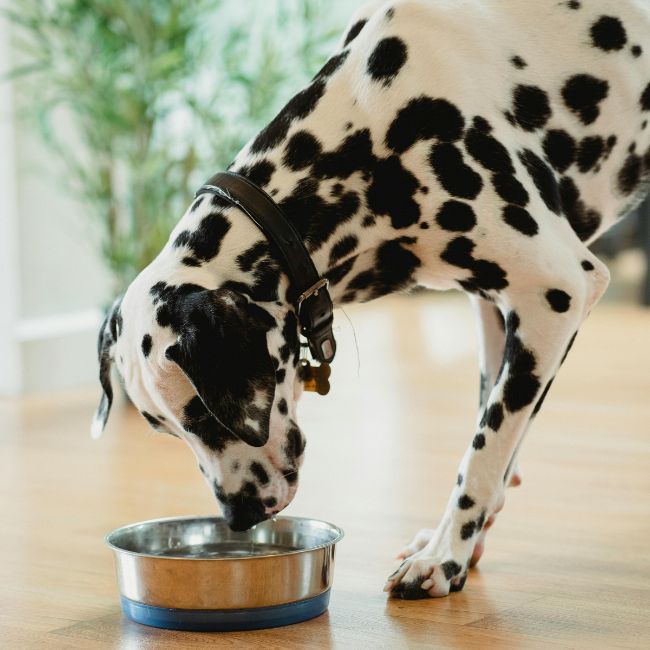 All breeds and ages can develop urinary tract infections. Urinary incontinence is more commonly seen in middle-aged to older dogs. Bladder stones can occur in dogs of any breed or size, although some breeds are more prone to certain types of stones. Miniature Schnauzers, Shih Tzus, Bichons, Yorkshire Terriers, Lhasa Apsos, and Dachshunds are more prone to struvite stones. Miniature and Standard Schnauzers, Bichons, Miniature Poodles, Lhasa Apsos, Yorkshire Terriers, Shih Tzus, and Chihuahuas are more prone to calcium oxalate stones. Dalmatians, English Bulldogs, and Black Russian Terriers are prone to urate stones, while English Bulldogs, Mastiffs, French Bulldogs, Newfoundlands, Dachshunds, and Basset Hounds are prone to cystine stones.
What are the signs of urinary problems in dogs?
Signs of urinary problems in dogs can include frequent urination, asking to go outside more often, passing only small amounts of urine, straining to urinate, blood in the urine, or having accidents in the house when they normally do not. Dogs may also lick excessively around the urinary opening because of irritation. Frequent small amounts of urine should not be confused with marking, which can happen multiple times during a trip outside.
If your dog cannot urinate at all, that is a medical emergency because it could mean they are obstructed. If a blockage is not treated, the bladder can rupture, which can be fatal. Urinary tract infections can also be very uncomfortable, so if your dog is showing urinary symptoms, contact your veterinarian.
How does a veterinarian diagnose urinary problems in dogs?
Clinical signs and a physical examination are usually the first steps in diagnosing urinary problems. A urinalysis involves collecting a urine sample and examining it for red blood cells, white blood cells, bacteria, and crystals. If a urinary tract infection does not resolve or keeps coming back, a urine culture may be recommended to identify the specific bacteria involved and determine which antibiotics it is susceptible to. This sterile urine sample is collected via cystocentesis with ultrasound guidance. X-rays may also be used to look for bladder stones, particularly when stones are suspected of contributing to recurring infections.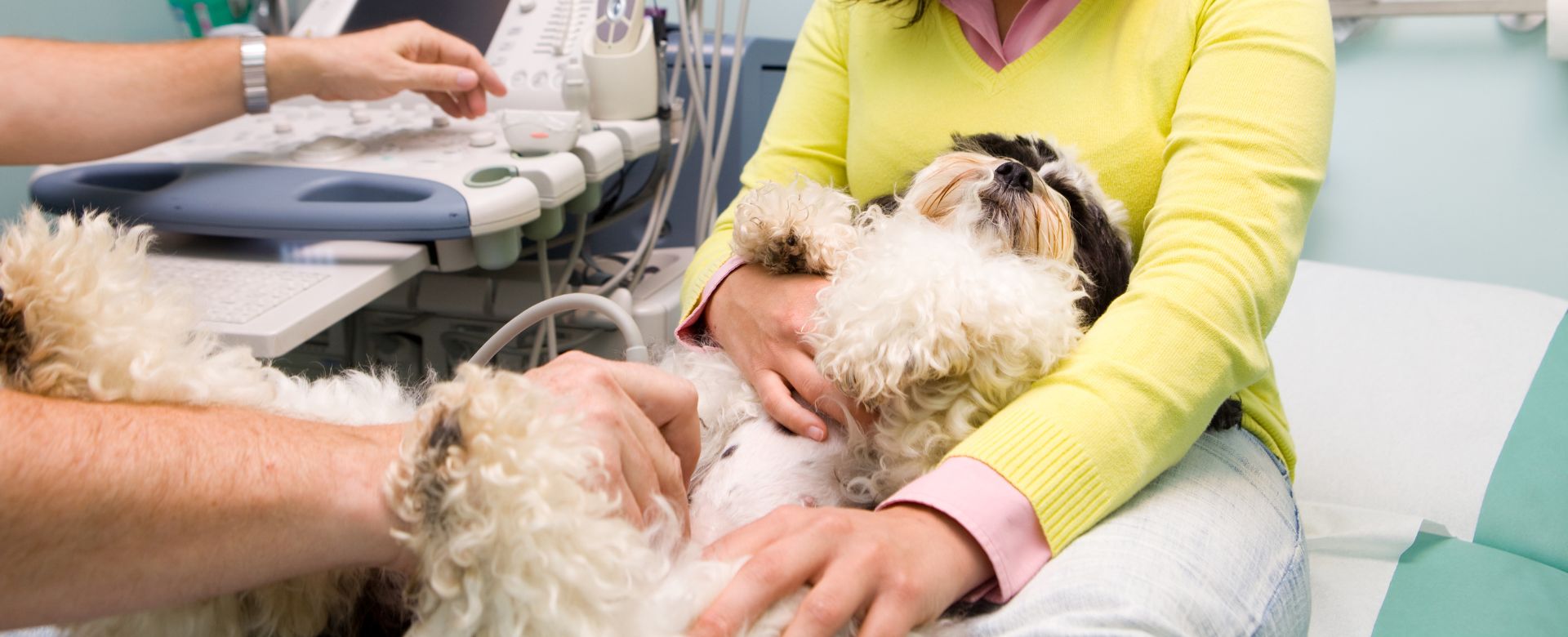
What are the treatments for urinary tract infections in dogs?
Urinary tract infections in dogs are typically treated with antibiotics. Depending on the infection, a cranberry supplement may also be recommended.
How are bladder stones in dogs treated?
Treatment depends on the type of stone. Struvite stones can often be dissolved with a specific diet, and any associated urinary tract infection also needs to be treated. If struvite stones are suspected, your veterinarian may recommend a diet for about 30 days and then repeat X-rays to see if the stones are shrinking or gone. If the stones do not dissolve or are occupying much of the bladder, surgery may be needed to remove them.
What can be done for a dog with urinary incontinence?
Dogs with urinary incontinence usually need estrogen supplementation to improve urinary sphincter tone and reduce leaking or dribbling urine when they are relaxed. There are different medications that veterinarians can prescribe for urinary incontinence.
How are urinary blockages treated in dogs?
Urinary blockages in dogs are treated by passing a urinary catheter under anesthesia into the urethra to dislodge the stone and move it back into the bladder. In some cases involving very small stones in male dogs, a technique called retropulsion can be used to fill the bladder with fluid and move the stones back into the bladder.
How can I prevent urinary problems in my dog?
Not every dog will develop a urinary problem, and there is no specific way to prevent all urinary issues. If a dog develops chronic urinary problems, there is often an underlying issue that needs to be explored. A urinary diet may be recommended for dogs with crystals or stones. In female dogs with anatomy that traps bacteria, maintaining the area after they urinate or surgical correction may be discussed.
What role does diet play in preventing urinary issues in dogs?
Diet can play an important role in managing stones and crystals by helping maintain the appropriate urine pH. This can make crystals less likely to develop, and crystals can lead to stones. Some dogs with recurring urinary problems may also benefit from a urinary diet to help maintain bladder health.
How important is hydration for maintaining a dog's urinary health?
Hydration is especially important for dogs prone to urinary stones and crystals. Some urinary diets encourage drinking, which helps dilute the urine and flush the bladder more frequently. For the average dog, the amount of water they drink on their own is typically sufficient for urinary health.
Can urinary problems in dogs become chronic?
Yes, urinary problems in dogs can become chronic. Dogs that are prone to certain types of stones, such as calcium oxalate stones, can have difficulty preventing them from recurring. Dogs that develop frequent urinary tract infections may also require additional testing and evaluation to determine why the infections keep coming back.
Can a urinary infection in dogs go away without treatment?
Urinary infections can sometimes resolve without treatment, but they can be uncomfortable and painful, and it may take time. If you notice signs of a urinary infection, it is recommended that you seek veterinary care.
Are male or female dogs more prone to urinary problems?
Female dogs appear to develop urinary tract infections more frequently than male dogs, partly because their urinary opening is located close to the anus, creating more opportunity for contamination. Urinary incontinence is also more commonly seen in female dogs. Male dogs can develop urinary tract infections as well, while bladder stones can occur in dogs of either sex.
When should I take my dog to the vet for urinary problems?
Contact your veterinarian if you notice blood in your dog's urine, more frequent requests to go outside, straining to urinate, excessive licking around the urinary opening, or other changes in normal urination. If your dog is unable to produce any urine, seek veterinary care immediately because a urinary blockage can be a medical emergency.
Can stress or anxiety cause urinary problems in dogs?
Yes, stress or anxiety can contribute to inappropriate urination in dogs. This is more likely to be a behavioral issue, such as urinating in the house, rather than causing a urinary tract infection.
If you notice changes in your dog’s urination, drinking habits, bathroom routine, or comfort, it’s worth paying attention. Urinary problems can have many different causes, and identifying the underlying issue helps your veterinary team determine the most appropriate treatment. Whether your dog is experiencing a new urinary concern or has ongoing urinary issues that need monitoring, Sugar River Animal Hospital is here to help you understand what’s happening and determine the next steps.
If you have questions or are concerned about changes in your dog’s urinary health, contact our team at (603) 287-1181 to set an appointment, or email us at [email protected].